Our Blog
The Daily Chomp
The latest from Chomps, including recipes, community stories, lifestyle tips, and conversations with business leaders.
Our Blog
Perfect Paleo snack

Our Blog
Is Popcorn Paleo? Here's What You Need to Know
Trying to figure out whether or not your favorite movie sidekick is friendly to your paleo diet? Here's the answer! READ MORE
Our Blog
How Grass-Fed Beef Speeds up Your Weight Loss on the Keto Diet
There is a huge difference between the nutrients in grass-fed beef and conventional grain-fed beef from factory farms. On a Ketogenic Diet, grass-fed beef delivers additional health benefits including the ability to lose more weight without any extra effort. Let's back up a minute and look at what an average meal looks like on the Keto diet: 20% of calories from protein (meat, poultry, fish, seafood, and eggs) 5% from carbohydrates 75% from high-fat foods like avocados, bacon, butter, egg yolks, and nuts Keto Diet guidelines don't distinguish between healthy proteins like grass-fed beef and unhealthy proteins like grain-fed beef. However, here's what can happen if you make one simple change and eat grass-fed beef instead. Grass-fed beef has a powerful, naturally occurring fatty acid called CLA (conjugated linoleic acid) which is linked to long-term weight management and health. Lower in Calories, Higher in Nutrition Free to roam, pasture-raised cows graze outdoors on a natural diet of healthy grasses, unlike factory farm cows that eat GMO grains loaded with toxins, pesticides, and other unspeakable ingredients. Pasture-raised cows mature at a natural rate without the growth hormones used to fatten factory-farm cows faster. Healthy cows produce healthier, leaner beef while grain-fed cows produce fatty beef due to their unnatural diet and stressful living conditions. In his book, Pasture Perfect, Jo Robinson says that Americans typically eat about 67 pounds of beef annually. If you make the simple switch to grass-fed beef, he calculates that you will save 16,642 calories a year which translates into a five-pound weight loss. By fine-tuning your Keto Diet eating plan with the addition of grass-fed beef, you will enjoy the added benefits of healthier proteins and a noticeable improvement in weight-loss results. Grass-fed Beef's Extra Weight-Loss Boost Grass-fed beef has a powerful, naturally occurring fatty acid called CLA (conjugated linoleic acid) which is linked to long-term weight management and health. Although synthetic versions of CLA have been a popular weight loss supplement for years, grass-fed beef has much higher CLA levels. By fine-tuning your Keto Diet eating plan with the addition of grass-fed beef, you will enjoy the added benefits of healthier proteins and a noticeable improvement in weight-loss results. READ MORE
Our Blog
Paleo Diet vs. Keto Diet: How Are They Different?
Key Takeaways Paleo and keto diets both focus on whole foods and protein, but paleo emphasizes food quality while keto is built around strict low-carb, high-fat macros to reach ketosis. The paleo diet focuses on whole, minimally processed foods like meat, vegetables, fruits, nuts, and seeds, while avoiding grains, legumes, dairy, and refined ingredients. The keto diet keeps carbs very low and fat high to put the body into ketosis, where it burns fat for fuel. Carbs are the main difference: paleo allows natural sources like fruit and starchy vegetables, while keto restricts most carbs. Both diets prioritize real, protein-rich foods, and options like meat sticks can be an easy, on-the-go fit for each. If you promised yourself that you will lose weight and eat healthier this year, you have more than a few options for achieving your goals. Two of the most popular plans are the Paleo Diet and the Keto Diet. At first glance, these diets look deceptively similar. Both follow these key rules: No grains No legumes No refined sugar Healthy fats only—nuts, seeds, animal fats, and coconut oil Non-starchy vegetables and leafy greens recommended Quality animal protein—grass-fed or organic—is encouraged for maximum nutritional benefit A closer look at both diets—Paleo and Keto—reveals many differences you should be aware of before you commit your time, energy, and hopes to one plan. Paleo Diet Highlights The Goal Although both the Paleo and Keto diets help you lose weight, the Paleo Diet is more of a lifestyle choice for those who choose to eat quality foods that promote digestive health. Weight loss becomes a natural by-product of eating a balanced diet of healthier foods. Paleo Food Plan The Paleo Diet is based on the way our hunter-gatherer ancestors ate over 10,000 years ago. They thrived on a varied, natural diet of nutritious, whole foods like meats, fish, eggs, fruits, leafy greens, regional veggies, nuts, seeds, and healthy fats. Additionally, modern-day Paleo dieters can drink water, coffee, and tea. By avoiding hard-to-digest foods like grains, legumes, and most dairy products, Paleo enthusiasts focus on eating gut-friendly foods which pave the way for essential nutrients to be fully absorbed by the body. They also avoid processed foods, toxins, sugars, artificial sweeteners, sodas, and diet, low-fat, and limit their intake of high-carb foods. Calorie Counting for Paleo Diet? Most people are not good at counting calories. In multiple studies, participants underestimated their calorie intake by up to 50%. The Paleo Diet recommends that you not count calories because the diet helps you focus on feeling naturally satisfied and satiated with healthier fats, more vegetables, and less starchy and sugary carbs. Keto Diet Highlights The Goal The goal of the Keto (short for Ketogenic) Diet is weight loss and fat burning. This is achieved by forcing the body to burn fat more efficiently, a metabolic state called ketosis. Normally when you need more energy, your body burns glucose which comes from the carbohydrates you eat. On the severely low-carb Keto Diet, your carb intake is roughly 5% of your diet, while your fat intake increases up to 75%. Without the glucose produced by higher-carb foods, your body goes directly to burning the fatty acids in your fat cells, resulting in faster weight loss than experienced on the Paleo Diet. Keto Food Plan The goal of the Keto Diet food plan is to maintain a metabolic state of ketosis. This takes careful monitoring of your food intake. Unlike the Paleo Diet, the Keto Diet does not focus on healthy foods versus unhealthy foods. The primary focus is on attaining and remaining in a state of ketosis—fat-burning. Deciding on the best plan—Paleo or Keto—depends on your specific goals and the changes you are comfortable making to achieve them. The Keto Diet prohibits these high-carb foods: Sweet potatoes Starchy vegetables like pumpkin, squash, yams, carrots, and parsnips High-sugar fruits like bananas, peaches, grapes, and pineapples Paleo-approved sugars like honey, maple syrup, coconut sugar, and dried fruits Calorie Counting for Keto Diet? Most people on ketogenic diets consume 5% or less of their calories from carbohydrates. In most cases, you won’t need to count calories on this diet. Which Diet Best Suits You? Both diets achieve results for individuals who follow the plan. Both diets result in health benefits ranging from weight loss, lower blood pressure, and improved cholesterol levels to stabilizing blood sugar levels, clearing brain fog, and improving focus. Deciding on the best plan—Paleo or Keto—depends on your specific goals and the changes you are comfortable making to achieve them. READ MORE
Our Blog
Higher Levels of Omega-3 Fatty Acids Make Grass-fed Beef a Nutritional Powerhouse
What are omega-3 fatty acids and why should we care that grass-fed beef has more of them than grain-fed beef? Omega-3 fatty acids are in the media spotlight because an increasing number of research studies—including a 2017 landmark clinical trial in Ireland—have come to the same conclusions about Omega-3's tremendous nutritional health and disease prevention value. Additionally, surveys show that consumers prefer products that are higher in omega-3's. A Trio of Powerful Nutrients Omega-3 fatty acids consist of three types of fatty acids—DHA, EPA, and ALA. DHA (docosahexaenoic acid) and EPA (eicosatetraenoic acid) are basic building blocks for our overall health including the brain and eyes, proving lifelong support and cardiovascular health. DHA and EPA are not prevalent in cows, but they can be extracted from fish and algae. ALA, the third omega-3 fatty acid, is found only in plants such as nuts, seeds, and the pasture grasses cows graze on. This fact is one of the primary reasons beef from grass-fed cows are loaded with nutrition. Omega-3 fatty acids are so important to our health that we humans need all three of them to function and thrive. Nutritional analysis shows that cows fed on grasses their entire lives produce a leaner beef than conventional grain-fed cows, yet their fat has higher amounts of omega-3 fatty acids, namely ALA. For example, a 3.5 ounce serving of grass-fed meat has approximately 80 milligrams of omega-3's which is double the amount found in conventional beef. Better Feed for Animals. Better Food for People. The old saying, "You are what you eat", normally refers to people, but these days it also refers to animals raised for food. Motivated by keeping profits high and costs low, factory farms feed beef cows an unnatural diet of GMO grains to fatten them up faster. And it gets worse... The cows are also being fed same-species by-products from diseased animals, candy, plastics, drugs, chemicals, and other unmentionably gross ingredients. By contrast, grass-fed cows are raised outdoors on a steady diet of pasture grasses. They grow strong and healthy, and the meat they produce is loaded with nutritional benefits for us humans. In addition to higher levels of omega-3s and other nutritional advantages, grass-fed beef benefits our planet, too. Well managed pastures cause less pollution of nearby waterways and use far less energy than factory farm operations. It's no wonder sales of fresh grass-fed beef soared from $17-million in 2012 to $272 million just four years later. A recent clinical trial in Ireland fed 161 participants a diet featuring the regular consumption of naturally enriched omega-3 chicken and eggs. After six months, researchers suggested that a diet rich in omega-3 fatty acids may reduce the risk of heart attack, stroke, dementia, and depression. Future studies will also focus on meat and pork. Omega-3 in Grass-Fed Beef Grass-fed beef has twice the amount of omega-3's as conventional beef, and it is mostly ALA, the omega-3 that isn't found in salmon and other fatty fish. READ MORE
Our Blog
Can Eating GMO Foods Make You Sick?
Foods containing GMOs (genetically modified organisms) have taken over America's food supply in astonishing numbers and are posing serious health risks for all of us. The Center for Food Safety, a nonprofit watchdog agency, reports that overwhelming percentages of genetically engineered (GE) crops are grown from genetically modified (GMO) seeds, affecting: Up to 92% of U.S. corn crops 94% of soybeans 94% of cotton, from which cottonseed oil, often used in food products, is derived Over 75% of processed foods on supermarket shelves – from soda to soup, crackers to condiments – contain GMO ingredients. In a mad rush to create more genetically engineered foods, the biotech industry continues to claim that GMOs are safe. But study after study confirms their claim is false. GMO Health Risks Today's genetically engineered foods are not the same as the natural hybridization methods farmers have used for centuries to grow better varieties of grains, fruits, vegetables, and raise animals for food. Genetically engineered organisms are freaks of nature that disrupt the basic genetic codes of our food supply. Biotech scientists take genetic material from one species and insert it into different species. The following is just a sampling of the health dangers consumers face due to the presence of GMOs in unprecedented percentages in our food supply. 1. Exposure to More Pesticides Most genetically engineered crops are modified with a gene that resists pesticides. This means that GE crops are immune to Monsanto’s infamous weed killer, Roundup. The main ingredient in Roundup is glyphosate, a known carcinogen that has been linked to many health problems in animal studies such as cancer, diabetes, birth defects, reproductive damage, and endocrine disruption. Overuse of Roundup results in herbicide-resistant "superweeds", causing farmers to use even more toxic herbicides every year. In addition to harming the environment, this abusive practice is now linked to alarming increases in diseases and disorders in people. During the decade following the 1996 introduction of GMO seeds and crops, The Institute of Responsible Technology (I.R.T.) reports that: The percentage of Americans with three or more chronic illnesses jumped from 7% to 13%. Food allergies skyrocketed. Disorders like autism, reproductive disorders, digestive problems are on the rise. Currently, physician groups such as the American Academy of Environmental Medicine (AAEM) are urging doctors to prescribe non-GMO diets for all patients. 2. Antibiotic-Resistant Superbugs At least 2 million people contract antibiotic-resistant infections annually, and at least 23,000 die as a result, according to the Centers for Disease Control (CDC). Popular antibiotics that saved lives for decades are now becoming useless against pneumonia and other life-threatening bacterial infections. The problem of antibiotic-resistant bacteria stems from two main sources: Doctors over-prescribe antibiotics. Antibiotics, along with other toxins and harmful ingredients, are in every bite of factory-farmed meat we eat. Factory farms now produce between 78% of the beef, 95% of the pork, 99% of the turkey, and 99.9% of the chicken on the market. These animals are regularly treated with antibiotics to prevent them from falling ill and dying from their filthy, confined living conditions. You may have noticed that more meat packages have “No Antibiotics Added” labels, but that doesn’t mean those products are suddenly nutritious and good for you. Factory farm animals consume a regular diet of GMO feed from genetically engineered crops like wheat, corn, and soy. So when you eat factory farm meats, you’re eating GMOs, too. Genetically engineered organisms are freaks of nature that disrupt the basic genetic codes of our food supply. 3. Dangerous Consequences The biotech industry is still relatively young, so the longer-range health consequences of GMOs are just beginning to surface. One study published in Lancet magazine was indicative of similar findings by different research groups: Milk from cows injected with a genetically engineered growth hormone was shown to have significantly higher levels of insulin-like growth factor-1, a substance linked to cancers of the human breast, colon, and prostate. If the biotech industry is so confident that GMO foods are safe, why have their advocates successfully fought against GMO labeling on foods? 4. Consumers Demand GMO Labeling Year after year, countless consumer polls confirm that Americans overwhelmingly support GMO labeling. Polling statistics show that supporters number 89% to 95% of all total respondents. It is obvious that consumers are concerned about food safety and have the right to know if GMOs are in their foods. What Food Labels Can You Trust? In the absence of easy-to-understand GMO labeling, smart consumers can avoid the health risks of GMO foods by choosing products labeled Non-GMO Project Verified or USDA Certified Organic (learn more: GMO vs Organic). Non-GMO Project Verified Snacks In 2016, the Chomps product line received official Non-GMO Project Verified status and now proudly wears the bright, orange "butterfly" label showing consumers that Chomps are GMO-free. With up to 12 grams of protein and under 100 calories in every stick, Chomps is a perfect snack and nutritious addition to well-balanced breakfasts, lunches, and dinners, too! Certified Paleo-friendly, Chomps are made from 100% grass-fed non-GMO Angus beef and enhanced with the down-home flavors of farm-fresh ingredients and preserved with natural celery juice. The perfect complement to an active lifestyle, our beef sticks are wrapped individually in a natural collagen casing. Unlike those unhealthy tough-to-chew jerky brands, Chomps are tender, flavorful, juicy, and have no gluten, no soy, no hormones, no antibiotics, no dairy, no MSG and no GMOs. Enjoy your protein boost the healthy non-GMO way—try Chomps! READ MORE
Our Blog
3 Delicious, Easy Recipes With Chomps Natural Beef Sticks
It’s no wonder Chomps Natural Beef Gluten-Free Snack Sticks have inspired chefs and food bloggers to add Chomps to their recipes. Delicious, juicy, and tender, Chomps are a nutritious alternative to traditional highly processed beef sticks. Photo Credit: GigiEatsCelebrities, Paleohacks. Chomps are the first brand of shelf-stable meat snack sticks to earn Non-GMO Verified Project designation and are certified Paleo, certified gluten-free, and Whole30®-approved. That’s a mouthful, but that’s not all. Chomps are made from 100% grass-fed non-GMO Angus beef. Quick & Healthy Recipes with Chomps The first two recipes were created by Chomps enthusiast Gigi of GigiEatsCelebrities, and they are delicious! Thank you, Gigi! Discover more mouthwatering recipes with Chomps meat sticks. #1. RAINBOW SCRAMBLED EGGS Ingredients 3 Omega-3 Enriched Eggs3 Tomatoes (Gigi used one red, one orange, and one yellow for the “rainbow” effect.)1 bunch Raw Spinach (about 1-1/2 cups)1 tbsp Olive Oil2 Sticks Original Chomps, diced1/4 tsp Salt1/4 tsp Pepper1/2 tsp Garlic Powder Directions POUR olive oil in a pan over medium-high heat. ADD tomatoes, let cook for a minute. ADD spinach, let cook for another minute or two, stirring occasionally. CRACK eggs into the pan, sprinkle in diced Chomps, season with salt, pepper and garlic powder and stir. COOK for another 5 – 6 minutes, until eggs are cooked. Start your day with Chomps! Chomps are the first brand of shelf-stable meat snack sticks to earn Non-GMO Verified Project designation… #2. VIRGIN BLOODY MARY Ingredients 15-oz no-sugar-added Tomato Sauce1 Stick Jalapeño Flavor Chomps, diced1 tbsp Lemon Juice1 to 1-1/2 tbsp Grated Horseradish Root1/3-cup No-Sugar Worcestershire Sauce1/2-tsp Cayenne Pepper1/2-tsp Paprika1/2- tsp Garlic Powder1/4- tsp Black Pepper1/4- tsp Salt1 Stick Original Flavor Chomps as a garnish/stir Directions COMBINE all ingredients together and stir (or if you’re using a mason jar… Shake!) OPTIONAL: add alcohol Say Cheers with Chomps! #3. GARDEN SOUP Recipe #3 is from our friends at Paleohacks. We love all the creative ways they add Chomps to healthy Paleo diet meals. Ingredients1 tbsp Olive Oil1 can Diced Tomatoes1 Yellow Onion, diced1 tbsp Garlic, minced¼-cup Carrot, chopped¼-cup Celery, chopped2 tbsp Fresh Basil½-cup Chomps Beef Stick, chopped1 cup Chicken or Vegetable Broth Directions Heat carrots, celery, onion, and garlic in skillet with olive oil. Add in diced tomatoes and stir. After 2 minutes, add in beef jerky, broth and basil and simmer on low for at least 20 minutes or until carrots have softened. Chomps beefs up healthy soups! Chomps Natural Gluten-Free Snack Sticks Chomps Natural Beef Sticks are nutritious snacks that have earned their place in well-balanced meals, too, adding mouth-watering flavor and the power of 9 grams of protein in every stick. Made from 100% grass-fed non-GMO Angus beef, Chomps Natural Beef Sticks are Non-GMO Project Verified, Whole30 approved, and paleo-diet friendly. The perfect complement to an on-the-go lifestyle, Chomps are enhanced with the down-home flavors of farm-fresh ingredients and preserved with natural celery juice. We wrap our beef sticks individually in a natural collagen casing made from beef hides. Unlike those unhealthy tough-to-chew jerky brands in supermarkets, Chomps are tender, flavorful, juicy, and free of gluten, soy, hormones, antibiotics, dairy, and MSG. “Shop the butterfly” and keep your family safe and satisfied. READ MORE
Our Blog
Cooking With Chomps Natural Beef Sticks Simple Recipes You’ll Love
Chomps Natural Beef Sticks are delicious grab ‘n’ go snacks. Made of non-GMO 100% grass-fed and Finished beef, these protein snacks will get you through those between-meal times when unhealthy choices start sounding really good. Versatile & Yummy Chomps Recipes Chomps Natural Beef Sticks have proven their tasty power as between-meals snacks, but now you can enjoy their versatility at any meal with these two recipes. Meat lovers or paleo enthusiasts, watch how Chomps adds superior flavor to regular meat recipes. Looking for more options, explore these delicious recipes featuring Chomps meat sticks. Recipe #1: Chomps Meatballs Everybody loves meatballs, but when you add Chomps Natural Beef Sticks to the recipe instead of one of the supermarket beef jerky brands, the flavor really takes off. Ingredients 13 Chomps Natural Beef Sticks, roughly chopped ½ cup panko breadcrumbs (can use gluten free if desired) ½ cup whole milk 1 sausage link (casing removed) 1 yellow onion, chopped ½ cup roughly chopped parsley 2 eggs Directions Preheat broiler. Line a baking sheet with parchment paper. In a food processor, combine chopped Chomps sticks, panko, and milk mixture, sausage, onion, parsley and eggs. Pulse the food processor to combine the ingredients, then run the processor until a paste forms. Dip your hands in water and roll the meat mixture into balls Place the meatballs on the parchment paper-lined baking sheet Cook under broiler for 10 minutes until golden brown. Skewer meatballs and serve. You’ll discover that Chomps Meatballs’ mouthwatering flavor will have your guests asking, “What’s the secret ingredient in these meatballs? They’re delicious!” Recipe #2: Chomps Bacon Roses You’re going to want to save this unique recipe for a truly special occasion, such as an anniversary or a night when you screwed up and need to apologize. What woman wouldn't love this bouquet of Chomps Bacon Roses! Ingredients: 1 lb. package of bacon12 Chomps Natural Beef Sticks (roses should always come in dozens) Directions Pre-set the oven temperature at 400 degrees. Roll up each bacon strip individually. You’ll want the meaty edge to be the top of the “flower” and the fatty edge to be on the bottom. Using two toothpicks, skewer the bacon roll close to the bottom fatty edge. The toothpicks should cross in the middle which keeps the bacon roll from unraveling and also serves as a stand so it doesn’t fall over while cooking. Place the skewered bacon rolls on a baking rack over a foil-lined baking sheet. Cooking them on a rack helps to cook the bottom of the rolls as well as the rest of the rolls. Place them in the oven for 20 minutes. The outside will be crisped and browned, and the inside will be cooked but not crisp. While the bacon roses are cooling, you can start peeling the wrappers about a quarter of the way down each Chomps beef stick. Stick a toothpick in the middle of the top of each beef stick so that the toothpick can anchor the bacon rose. Voila! You have just created your first edible bouquet of Chomps Bacon Roses! For the finishing touch, place the bouquet in a small vase and tie a ribbon around the vase. Nice work! Chomps Natural Beef Sticks Made from 100% grass-fed non-GMO Angus beef, Chomps Natural Beef Sticks are Non-GMO Project Verified, Whole30 approved, and paleo-diet friendly. The perfect complement to an on-the-go lifestyle. Chomps are enhanced with the down-home flavors of farm-fresh ingredients and preserved with natural celery juice. Instead of tasting like those tough-to-chew unhealthy jerky brands in supermarkets, Chomps are tender, flavorful, juicy, and free of gluten, soy, hormones, antibiotics, dairy, and MSG. “Shop the butterfly” and keep your family safe. READ MORE
Our Blog
What Are the Best Times of Day for Paleo Snacks & Meals?
The Paleo Diet invites you to eat like your Paleolithic hunter-gatherer ancestors did over 10,000 years ago, long before society put down roots and became agricultural. It’s based on an eating regimen of whole, unprocessed foods like meats, poultry, seafood, eggs, vegetables, fruits, nuts, healthy fats and seeds. The Paleo Diet’s “don’t eat” list consists of refined sugar, artificial sweeteners, dairy, grains, and legumes. When to Eat & When Not to Eat For Paleo dieters, when and how often to eat is just as important as what to eat. The Paleo program encourages the traditional three meals a day regimen—breakfast, lunch, and dinner—with room for an occasional snack. Instead of grazing throughout the day on five or six mini- meals, as some diets recommend, it has been proven that people who eat fewer, larger meals have lower blood glucose levels on average. Dinners should be eaten no later than 6-7pm. Eating less frequently has been shown to increase the feeling of fullness or satiety and reduce hunger and cravings. The typical 4-6 hours between breakfast, lunch and dinner give your body time to “fast” without having to digest more food. Eating less frequently has been shown to improve the feeling of fullness or satiety and reduce hunger and cravings compared to eating more frequent meals. Paleo Snacks Most people on a diet regimen like the Paleo diet do their best to follow the program’s guidelines regarding what to eat and when to eat, but sometimes life gets in the way. A meeting lasts through lunchtime. An important deadline forces you to work two hours late. Or you’re driving to an out-of-town appointment, and you’re stuck for hours on the interstate. There are times when you’ll need a healthy snack to carry you to the next meal. The problem is easily solved with healthy Paleo snacks like hard-boiled eggs, fruit, baby carrots, and a paleo jerky beef snack like Chomps Natural Beef Sticks. Chomps is Non-GMO Project Verified, too. Remember that paleo dieters eat whole, unprocessed foods which retain their vitamins, minerals, and other nutrients. Paleo Meals Are Nutrient-Rich Remember that paleo dieters eat whole, unprocessed foods which retain their vitamins, minerals, and other nutrients, thus delivering the nutrition needed for energy and health. This point can’t be over-emphasized. In contrast to a typical fast-food meal of cheeseburger, fFrench fries, soda, and apple pie, a Paleo meal of steak, broccoli, sweet potato, and blueberries delivers healthy portions of beef, veggie, carb-dense veggie, and fruit. Fasting Between Meals Eating three Paleo meals a day with no snacks in between provides a natural fast of 4-6 hours between the meals that encourages fat metabolism. Carbs metabolize first, and fat metabolizes next. Of course, the longest and most important fast occurs at night between dinner and breakfast the next morning. If you finish dinner no later than 7:00 pm and eat breakfast no earlier than 7:00 am, your body will fast for 12 hours. The fast allows your body to take care of many important functions such as: a) resets your fat metabolism; b) allows your body to efficiently process the nutrients you’ve consumed during the day, and c) processes and prepares toxins for release through sweat and urine. Chomps Natural Beef Sticks Made from 100% grass-fed non-GMO Angus beef, Chomps Natural Beef Sticks are Non-GMO Project Verified, Whole30 approved, and paleo-diet friendly. As healthy travel snacks and gluten-free paleo snacks for every day, Chomps is the perfect complement to an on-the-go lifestyle. Chomps are enhanced with the down-home flavors of farm-fresh ingredients and preserved with natural celery juice. Instead of tasting like those tough-to-chew unhealthy jerky brands in supermarkets, Chomps are tender, flavorful, juicy, and free of gluten, soy, hormones, antibiotics, dairy, and MSG. “Shop the butterfly” and keep your family safe. READ MORE
Our Blog
BIG NEWS! Now You Can Buy Chomps Natural Beef Sticks at Trader Joe’s Stores Nationwide
Earlier this month, July 8, 2016 to be exact—all 457 Trader Joe’s stores in the U.S. began selling Original flavor Chomps Natural Beef Sticks. Now when you need a healthy, non-GMO protein snack to get you through a hectic day, just visit a nearby Trader Joe’s and load up on your favorites. Of course, customers can continue ordering on our website, too, taking advantage of our bulk-purchase discounts. Either way, we’ve got you covered. A Milestone Event for ChompsOur Chomps team is very excited because Trader Joe’s is the first national specialty retailer to sell Chomps Natural Beef Sticks at its 457 stores across the USA. This national exposure introduces Chomps to a new group of consumers who also appreciate nutritious quality foods with ingredients they can trust, as much as you do. This year alone, a dozen new Trader Joe’s stores have opened or are due to open, making it easier for our current and new customers to buy Chomps locally. A few years ago, Whole30® Co-founder Melissa Hartwig added the full Chomps product line to her elite list of Whole30-approved foods and snacks for her program participants. "I love that I can buy healthy, grass-fed, portable protein at my downtown Trader Joe's. Chomps has been a Whole30® staple for more than three years, and I'm excited to be able to send our program participants to their local store to stock up,” Hartwig emphasized. “Chomps Natural Beef Sticks are a healthy alternative to the traditional beef jerky brands sold in supermarkets,” added Peter Maldonado, founder and CEO of the Chicago-based company. “More consumers are making healthy choices for their families, and they don’t want to—and don’t have to—sacrifice good nutrition when it comes to convenient snacks.” Individually wrapped, each Chomps serving provides ten grams of protein and is made from 100% grass-fed non-GMO Angus beef, farm-fresh ingredients and preserved with natural celery juice. Chomps are free of gluten, soy, hormones, antibiotics, dairy, and MSG. Chomps Is Whole30® Approved and Paleo-diet friendly. A Shared Commitment to Healthy FoodsMaldonado admits that he has always loved beef jerky, even the traditional not-so-healthy kind. “As I got older, I realized that those brands were far from healthy—with all those artificial additives and preservatives—so I created a healthy non-GMO grass-fed version that is loaded with juicy flavor instead of bad ingredients. That’s how Chomps was born.” Maldonado appreciates that Trader Joe's has been committed to eliminating artificial trans fats from all their private-label products since 2007—as well as artificial flavors, artificial preservatives, and GMO ingredients. “We are so pleased that the Trader Joe’s organization recognizes our own commitment to producing a delicious, quality beef snack with 100% non-GMO grass-fed beef and natural flavors and preservatives. We look forward to a long and mutually beneficial relationship!” Many Thanks to our On-line Customers and New Retail CustomersWe’ll see you at Trader Joe’s! READ MORE
Our Blog
Why Artificial Preservatives like BHT and BHA Are so Dangerous to Your Health
Artificial preservatives are used to prolong the shelf life of processed foods and prevent them from becoming rancid. That may seem like a smart idea—if prolonging shelf life was all they did. Unfortunately, decades of research have shown that artificial preservatives in foods are linked to serious health problems like cancer, heart disease, allergies, asthma, serious brain disorders, and symptoms of ADHD (Attention Deficit and Hyperactivity Disorder) in children. The problems are compounded by the fact that an estimated 90% of the foods Americans eat are processed foods, not healthier whole foods. The Dangers of 5 Common Artificial Preservatives You'll find these artificial, chemical preservatives in the majority of the processed foods you eat: 1. BHA (Butylated Hydroxyanisole) and BHT (Butylated Hydroxytoluene) You'll find BHA and BHT in foods you routinely feed your family like breakfast cereals, meats, butter, baked goods, and chips. Both preservatives affect the neurological system of the brain, alter behavior, and have raised cancer risks in animal tests. Although they are "generally recognized as safe" by the U.S. Federal Drug Administration, BHA and BHT are considered dangerous and are banned in many other countries including Canada, Japan, New Zealand, Australia, and throughout Europe. 2. Sodium Benzoate This preservative is found in many diets and sugary soft drinks, fruit juices, salsa, pickles, salad dressings, and dips. Research has shown that sodium benzoate affects behavior and has been found to cause children to become more hyperactive and distractible. 3. Sodium Nitrite Used as a preservative and a curing agent, this type of salt is used in meats such as jerky, bacon, and deli meats. Sodium nitrite in foods is linked to higher rates of colorectal, stomach, and pancreatic cancers. 4. Sodium Nitrate Also used as a preservative and curing agent, sodium nitrate is commonly added to the jerky, bacon, and deli meats. Consumption of foods with sodium nitrate can increase the risk of developing heart disease by damaging blood vessels. 5. Monosodium Glutamate (MSG) MSG is present in countless processed foods, not just foods at Chinese restaurants. It is in a class of substances known as "excitotoxins", which means that MSG over-excites your cells so much that the cells become damaged or die. This leads to serious brain dysfunction and has the potential of triggering or worsening learning disabilities as well as life-threatening diseases like Alzheimer’s and Parkinson’s diseases and more. The Health Benefits of Preservative-Free Foods When you eliminate preservatives, you simultaneously eliminate the wide array of complications and health risks that come with them. Even though our fast-paced lives make it difficult for us to avoid choosing convenient processed foods, we recommend that you always check the label for dangerous artificial preservatives. Don't put your health at risk for the sake of convenience. Convenient snack foods, for example, can be both healthy and nutritious when you choose snacks like Chomps—a juicy and delicious alternative to those familiar, unhealthy beef jerky brands. Packed with 10 grams of protein Made from 100% grass-fed non-GMO New Zealand Angus beef and farm-fresh ingredients Uses organic celery juice as a safe, natural preservative to keep them safe to eat Certified gluten-free, soy-free, hormone-free, antibiotic-free, dairy-free, and MSG-free Whole30 approved and paleo diet-friendly Order Chomps online and enjoy your protein boost the healthy, tasty way! READ MORE
Our Blog
Are You Eating Good-for-You Beef or Bad-for-You Beef?
Americans love beef—whether it’s a grilled hamburger at a back-yard barbecue or a filet mignon at a five-star restaurant. We are consummate carnivores, and we always look forward to our next beef meal. But the truth is, all beef is not the same. Beef can be a wonderful source of healthy protein, nutrients, and vitamins or it can be filled with GMOs, toxins, and other ingredients that can lead to serious health problems. Here’s how to make sure you always choose healthy beef. The Bad-for-You Beef Historically, American beef producers raised healthy cattle on pasture lands of endless grasses and vegetation. The cattle grew up strong and vital. Unfortunately, in the 1950s, beef producers took a turn down a road that would inevitably lead to raising dangerously unhealthy cattle. This change occurred when cattle ranchers started feeding grains to their cattle to fatten them. Today those grains are grown from GMO seeds which are associated with a long list of health dangers for the cattle, the environment, and consumers. Eventually fattening up their cattle wasn’t enough for ranchers. They wanted the cattle to grow big enough to sell or slaughter in two to three years instead of the normal four to five years. They started injecting the cattle with growth hormones to speed up their natural aging process. (Wait, it gets even worse than this.) Even though all cattle graze on grass for the first part of their lives, they are switched over to grain as soon as possible for the fattening-up process. Living on grain, cattle didn’t need to graze all the time. So ranchers developed Confined Animal Feeding Operations (CAFOs) where cattle were shoved into small pens—nose to tail—and never allowed to go outside, walk around, and graze. It’s not surprising that the animals got weaker and sicker and needed bigger doses of antibiotics to fight disease. This inhumane process that creates most of the beef in the U.S. is the kind of beef that can make you sick. These days, a steak or hamburger arrives on your plate filled with pesticides, GMOs, growth hormones, and antibiotics. This is definitely “bad-for-you” beef. The Good-for-You Beef Healthy non-GMO grass-fed beef is usually imported from New Zealand and Australia—two of the top beef exporters in the world. Both countries have a long tradition of raising beef on non-GMO grass their entire lives. Cattle ranchers never feed them grain, they never give them growth hormones or antibiotics, and they always let them graze and stay outside all year round. In New Zealand, where the climate is temperate and the air is pure and crisp, GMO seeds and products are illegal. The country is passionate about protecting their environment and keeping it clean. The Nutritional Power of Non-GMO Grass When cattle dine on natural grass their entire lives—free of GMOs and pesticides—they are ingesting the right balance of “good-for-you” anti-inflammatory polyunsaturated fats—Omega 3’s and CLA Omega 6’s. Omega 3 fatty acids are essential for normal growth and may play a role in preventing and treating coronary artery disease, hypertension, arthritis, cancer, and other inflammatory and autoimmune diseases. For all these reasons, 100% non-GMO grass-fed Angus beef from New Zealand is the good-for-you beef. It’s leaner and significantly higher in flavor, nutrients, vitamins, antioxidants, and anti-inflammatory fatty acids. Look for the “New Zealand 100% Non-GMO Grass-fed Beef” label, and buy with confidence. You know you’re adding healthy protein to your diet that is good for you and delicious, too! Chomps natural beef snack sticks are a modern, healthy twist on the favorite convenience food of our hunter-gatherer ancestors. Chomps delivers ten grams of protein in a blend of natural ingredients starting with 100% grass-fed Non-GMO New Zealand Angus beef and palate-pleasing spices. Chomps are gluten, soy, hormone, and antibiotic free, and they don’t contain dairy, MSG, or any synthetic preservatives. Loaded with hearty farm-fresh ingredients, Chomps juicy snack sticks will come to your rescue anytime you need a protein boost. READ MORE
Our Blog
Health Benefits of New Zealand Grass-Fed Beef
If you look closer at the labels on beef in supermarkets, you'll see that a lot of grass-fed beef products are actually imported from New Zealand and Australia. How did that happen? The benefits of grass-fed beef from New Zealand is a story about tradition, climate, and protecting people's health. Size, Terrain & Climate New Zealand is located in the southern hemisphere, 932 miles southeast of Australia. Whereas New Zealand is about the size of Colorado, Australia is almost as large as the United States. Dramatically different in size and terrain, both countries are world-famous exporters of high-quality grass-fed beef products. When you think of New Zealand, visualize the magical landscapes of the Lord of the Ring films—mystical snow-capped mountains, dense forests, sparkling lakes, rolling green hills and valleys, and Pacific Ocean vistas. It is a place where the human footprint is very light (three-million population), and the air is amazingly clean and pure. The temperate climate translates into mild, wet winters and warm, dry summers—good news for grass-fed beef producers. A Tradition of Raising Animals on Non-GMO Grass New Zealand, like most developed nations in the world (with the exception of the U.S.), bans the production and sale of GMO products (genetically modified organisms) in their country. They don't consider GMOs to be safe. Growing research and evidence connects GMOs with health problems, environmental damage, and violation of farmers' and consumers' rights. New Zealand has a long tradition of growing high-quality Angus cattle on the country's extensive pasture lands. The cattle enjoy an idyllic life, free to roam in the sunshine doing what ruminant animals do best—eating healthy non-GMO grasses all day long. New Zealand cattle are pasture-raised and finished, meaning that they are fed on natural grass and vegetation their entire lives. They are never forced to eat grain. As a result of the country's temperate climate, pristine air, and healthy, live non-GMO vegetation, New Zealand Angus beef is leaner and significantly higher in flavor, nutrients, vitamins, antioxidants, and anti-inflammatory omega-3 fatty acids. GMOs and American Beef In the U.S., where the majority of grass seed producers use GMO seeds, it's hard to find domestic non-GMO grass-fed beef. Consequently, a simple "grass-fed beef" label on domestic beef doesn't mean the beef is healthy or devoid of GMOs. Additionally, harsher winters in the U.S. prevent a natural cycle of year-round grazing. Since fresh grass isn’t available several months of the year, cattle have to eat hay which is dead vegetation devoid of the natural nutrients of living grass and most likely grown from GMO grass seeds. In contrast, American consumers can confidently buy grass-fed beef from New Zealand because it is 100% GMO-free. The Rise of America's CAFO Tradition In the 1950s. American beef producers started feeding cattle a diet of grains instead of grasses to deliberately fatten them up. Eventually, growth hormones were added to accelerate the process. Conditions continued to worsen because it's not natural for ruminant animals to eat grain; it makes them sick. Today the majority of American beef comes from Confined Animal Feeding Operations (CAFOs). These inhumane facilities force cattle into unnaturally small spaces in filthy conditions where disease runs rampant. The lower cost of American beef has come at a high price, producing products ridden with pesticides, GMOs, antibiotics, growth hormones, and other dangerous additives. With the proliferation of CAFOs, the healthier alternative of free-range cattle nearly disappeared. For American producers dealing with the higher costs of raising grass-fed non-GMO cattle, it's been hard to compete with New Zealand beef. America's Growing Demand for Grass-Fed Beef Faced with an obesity epidemic and more knowledgeable about the dangers of junk foods and GMOs, Americans are demanding healthier natural and organic foods including beef products. Thanks to New Zealand's robust grass-fed cattle industry, you can confidently dine on delicious and healthy non-GMO beef at a significantly lower price than our own domestic grass-fed beef. — Chomps are a modern, healthy twist on the favorite convenience food of our hunter-gatherer ancestors. Chomps delivers 10 to 12 grams of protein in a blend of natural ingredients starting with 100% grass-fed Non-GMO New Zealand Angus beef and palate-pleasing spices. Chomps are gluten, soy, hormone, and antibiotic-free, and they don't contain dairy, MSG, or any synthetic preservatives. Loaded with hearty farm-fresh ingredients, Chomps will come to your rescue anytime you need a protein boost. See what Chomps is all about! READ MORE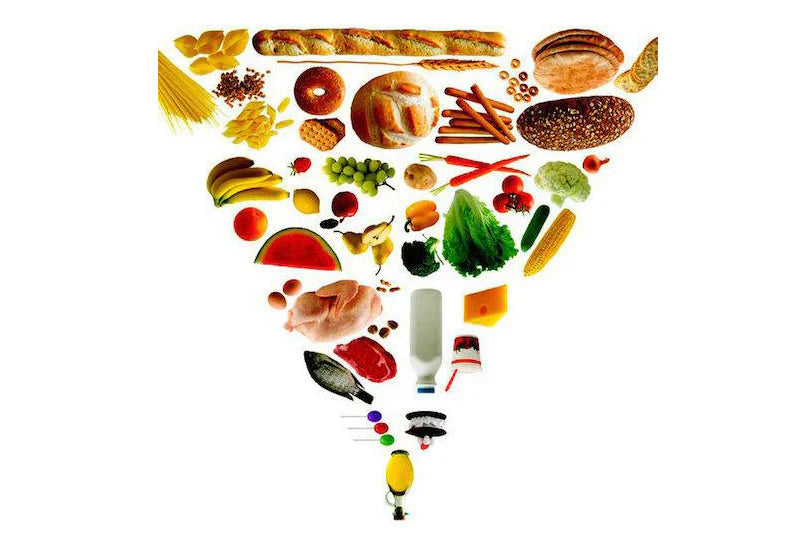
Our Blog
The Government's Bad Diet Advice - Turning the Food Pyramid Upside Down
Healthy eating and proper nutrition are essential to making good food choices. Today, there are many different diets you can choose from, but which is best for YOU? Recently, the U.S. Department of Agriculture released a food pyramid with more specific advice on portion size and calories to help people gain better guidance for healthy eating. Orange represents grains. The USDA recommends eating 5-8 ounces of grain per day. Green represents vegetables. The USDA's dietary guidelines recommend 2½ cups of vegetables per day for people eating 2,000 calories a day, with higher or lower amounts depending on the calorie level. Red represents fruits. The latest dietary guidelines call for people to eat two cups of fruit a day. Yellow represents oils. The USDA recommends getting most of your fat sources from fish, nuts and vegetable oils. Blue represents milk. The latest USDA dietary guidelines encourage consuming three cups per day of fat-free or low-fat milk. Purple represents beans and meats. The USDA says people should choose lean meats and poultry while consuming varying protein sources. But is this really the best plan for healthy eating? Nutrition experts have been wrong in the past For example, saturated fats were thought to contribute to health problems including an increased risk of heart disease for decades. Recent research revealed that in fact, this was not true. So last fall, experts on the committee responsible for developing the country's dietary guidelines acknowledged that low-fat diets were not necessarily healthier. This isn't the first time the government has been wrong about their dietary recommendations for healthy eating. In 2013, we were advised to reduce our salt intake but that suggestion was contradicted by an Institute of Medicine study. The Upside Down Food Pyramid So let’s take a look at the food pyramid for a moment. If you were to flip it upside down the guidelines for healthy eating would then include large amounts of protein from beans and meat, then milk, then fats. Then would come fresh fruits, vegetables, and whole grains. Many dietary experts believe that this is actually the best approach to healthy eating because protein is one of the most essential nutrients for a lean body. Fats are also vital to the proper function of many body systems including the brain. This dietary approach most closely resembles a Paleolithic diet (one that includes foods only eaten by our caveman ancestors). A Personal Choice Choosing the right diet is a personal choice but when we take a look at what the government has recommended in the past it is clear that they are not always correct. And in the case of the food pyramid, they might have things completely backward! A diet that includes fewer grains, less sugar and more protein from animal foods like meat, dairy, and eggs is a great way to achieve good health. It also includes very few processed foods that are known to cause chronic health problems. If you want to consume healthy foods consider flipping the food pyramid upside down. And if you’re looking for a few high protein snacks – try Chomps meat sticks! Made from 100% grass-fed beef and loaded with nutrients for healthy eating. READ MORE
Our Blog
Antioxidants: Functions, Benefits, and Sources
What Are Antioxidants? Antioxidants are molecules that inhibit the process of oxidation. Oxidation is a natural process that happens in our bodies, and we see it happen in foods when apple slices and bananas are left out for long; they turn brown. When oxygen is metabolized in our bodies it creates free radicals which are unstable molecules that cause harm or death of our cells by damaging the cellular proteins, lipids or DNA. Once these free radical attack they turn the attacked molecule into a free radical which lead to a chain reaction of free radicals. This chain reaction causes damage that leads to premature aging, and when extensive enough can potentially lead to chronic diseases, cancer or carcinogenic processes. Antioxidants interact by binding to the free radicals and neutralizing them so they can no longer cause any harm. Functions of Antioxidants Mother nature has provided our cells with naturally occurring antioxidants that are equipped to manage the damage of oxidation. However, due to the increasing harmful chemicals in our environment such as pollutants, radiation, smoking, fertilizers and unhealthy diets filled with processed and fatty foods, our bodies may be over-taxed when there is a high accumulation of free radicals. If your diet is not balanced then it would be beneficial to look into incorporating the intake of antioxidant-rich foods, and if it is balanced then you are probably getting a sufficient amount of antioxidants. Either way, eating fruits and veggies is never a bad idea because they are one of the main sources rich in antioxidants! Benefits and Sources of Antioxidants Here are some of the well-known antioxidants as well which foods they are most abundant in : Vitamin E Especially Alpha-tocopherol; prevents body tissue damage by protecting cell membranes from oxidation. Sources: Nuts, seeds, avocados, and vegetable oils Vitamin C This is a water-soluble vitamin and it tends to scavenge free radicals in water environments in our bodies. Sources: Guava, red bell peppers, kiwi, oranges, and pineapple Beta-carotene This gives fruits and vegetables their rich yellow/orange pigments. It is converted into vitamin A in our bodies but it is also a powerful antioxidant. Sources: sweet potatoes, carrots, squash, apricots, tangerines, cantaloupe, and dark leafy greens Selenium This is a trace element and only a small amount is required in our diet but that amount is essential. It is required for the formation of a group of proteins that work as antioxidant enzymes. It also works together with Vitamin E and C as an antioxidant in preventing free radical damage. Sources: brazil nuts, sunflower seeds, seafood and fish, asparagus and mustard seeds Manganese & Zinc These are trace elements that form essential parts of various antioxidants. Sources: Manganese is found in seafood (mussels), pumpkin seeds and hazelnuts; Zinc is found in seafood (oysters), beef and lamb, toasted wheat germ and spinach Coenzyme Q10 It is an antioxidant that is synthesized in our bodies but it can also be found in foods. Sources: beef, chicken, fish, nuts, seeds, plant oils, broccoli, and cauliflower Phytochemicals You may have heard this term a lot as well as polyphenols and flavonoids. This term is sort of the umbrella term for the various compounds produced by plants that have antioxidant functions. Sources: Tomatoes, watermelon, kale spinach, collard greens, berries, raspberries, pomegranates, nuts, beans, and whole grains... essentially all plant foods. An Antioxidant-Rich Diet A diet rich in antioxidants can aid in the prevention of many chronic diseases including heart disease, eye diseases, premature aging, and cancer. Although our bodies may be equipped with natural antioxidants, it is still important to incorporate foods rich in antioxidants such as fruits and vegetables so that we can provide all the energy and essential nutrients for our bodies to function optimally. READ MOREEven More for you to Chew On
NEW FLAVOR

Rated 4.4 out of 5 stars based on 27 reviews
(27)
27 reviews
Original Chicken
Choose Pack
PURCHASE OPTIONS
NEW FLAVOR

Rated 4.6 out of 5 stars based on 31 reviews
(31)
31 reviews
Nashville Hot Chicken
Choose Pack
PURCHASE OPTIONS
NEW FLAVOR

Rated 4.5 out of 5 stars based on 31 reviews
(31)
31 reviews
Savory Breakfast Chicken
Choose Pack
PURCHASE OPTIONS
Best Seller

Rated 4.9 out of 5 stars based on 2672 reviews
(2672)
2672 reviews
Original Beef
Choose Pack
PURCHASE OPTIONS
Best Seller

Rated 4.8 out of 5 stars based on 1626 reviews
(1626)
1626 reviews
Original Turkey
Choose Pack
PURCHASE OPTIONS
Best Seller

Rated 4.9 out of 5 stars based on 1621 reviews
(1621)
1621 reviews
Jalapeño Beef
Choose Pack
PURCHASE OPTIONS


Rated 4.9 out of 5 stars based on 1156 reviews
(1156)
1156 reviews
Sea Salt Beef
Choose Pack
PURCHASE OPTIONS


Rated 4.8 out of 5 stars based on 477 reviews
(477)
477 reviews
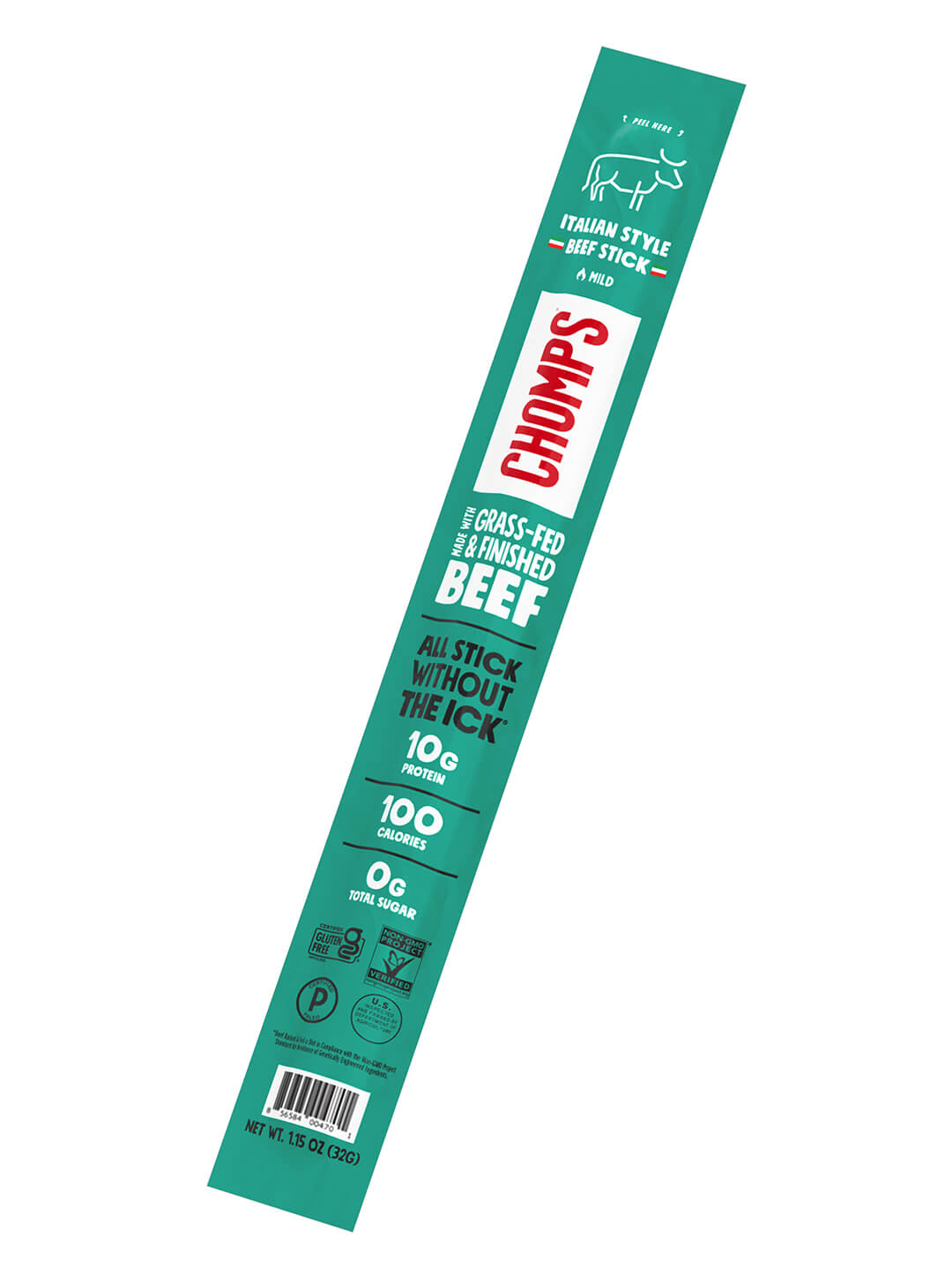
Taco Seasoned Beef
Choose Pack
PURCHASE OPTIONS