The Daily Chomp
The latest from Chomps, including recipes, community stories, lifestyle tips, and conversations with business leaders.


Our Blog

Our Blog
Whole30 Taco Recipes: Salad, Soup, Seasoning & More!
If you're a lover of tacos and follow the Whole30 diet, you're going to want to bookmark this post and keep it on hand for weeknight dinners! READ MORE
Our Blog
THE 10 BEST Cauliflower Mac and Cheese Recipes
Do you follow a low-carb, ketogenic diet and miss mac and cheese? Well, no longer! Mac and cheese has been a long-time classic comfort dish, and for good reason: it's filling, cheesy, and nostalgic for many people’s childhoods. Luckily, you can be a follower of the ketogenic diet and still enjoy this tasty dish! Is mac and cheese low carb? Prepared in its traditional form with noodles, mac and cheese is typically quite high in carb content. When made with cauliflower, however, the carb content is significantly decreased. That's because cauliflower is lower in total carbs than pasta while also containing fiber, which leads to a low net carb content. Luckily, the other main ingredients in mac and cheese are rather low in carbs. Ingredients like cheese and cream are perfect for a keto diet as they are extremely low in carbs. In some of the recipes in this list, you'll even see additional ingredients that add an additional flavor and texture, like bacon and chorizo! How to cook keto mac and cheese There are a variety of ways that keto mac and cheese can be cooked. Most of the recipes in this list require the use of a stovetop, while some can be fully cooked in an oven. We suggest following the recipes exactly as written since, when prepared incorrectly, cauliflower can release excess liquid, which will result in a dish different than originally intended. Whether cooked on the stovetop or baked in the oven, the resulting keto mac and cheese dish is sure to satisfy all of your cravings for your favorite comfort food! What protein to add to cauliflower mac and cheese Adding some additional protein to cauliflower mac and cheese is one surefire way to take this dish to the next level! The best way to do this? Take CHOMPS and cut them into bite-sized pieces and stir them into your mac and cheese! Our favorite flavor combinations with mac and cheese? Original Beef, Italian Style Beef, and Salt & Pepper Venison. YUM! How long can you store cauliflower mac and cheese? We would recommend consuming pre-made keto cauliflower mac and cheese within 2-3 days of cooking unless otherwise noted in the individual recipe. Be sure to refrigerate the mac and cheese in an airtight container so it remains fresh and flavorful! Enjoy these keto cauliflower mac and cheese recipes! Each recipe in this list is a perfect addition to your weekly meal rotation! From recipes made to closely resemble traditional mac and cheese, to recipes that have added spices, protein, and vegetables, we’re sure you'll find some new favorites here! Whip up some of these recipes this week; we know you'll love them! — 1. Keto cauliflower mac and cheese This cauliflower macaroni and cheese recipe is perfect for days when you're craving some good, old-fashioned comfort food while following a keto diet. That's right! Unlike the traditional pasta version, this healthy low-carb twist to mac and cheese won't kick you out of ketosis. And that's not even the best part. If you're cooking for the family or need to meal prep in less than an hour, then this recipe is here to save the day. How? Well, this dish only takes 45 minutes to prep and bake and will reward you with a whopping 12-serving yield. What more can you ask for?! Per serving: 365 calories, 31g fat, 6g net carbs, 15g protein Get the recipe from Kasey Trenum. — 2. Macaroni and cheese with chicken If you love cauliflower mac and cheese, but want to uplevel this American classic, then this recipe will knock your socks off. It's super simple to prepare and includes everything you see in your usual cauliflower mac and cheese PLUS some juicy shredded chicken. This is especially great news for those of you who have some leftover rotisserie chicken in your fridge! Simply shred and mix the chicken into your keto mac and cheese, bake for 30 minutes and serve. Easy, flavorful, and filling! No leftover chicken on hand? No problem! Simply cut up 2-3 Chomps Meat Sticks for a delicious and protein-packed dish! Any flavor will work great here, but we especially love including Original Turkey. Per serving: 478 calories, 33g fat, 3g net carbs, 38g protein Get the recipe from Simple Fun Keto. — 3. Chorizo & green chili cauliflower mac and cheese There's honestly so many ways to enjoy a bowl of keto mac and cheese, but maybe none as creative as this Chorizo & Green Chili Cauliflower Mac and Cheese! Just imagine: the nutrient-dense cauliflower mixed in with melted butter and cream, sharp cheddar cheese, savory Mexican chorizo, fresh cilantro, and some welcome heat from the green chilis... BAKED TO PERFECTION?! Yeah, that sounds absolutely mouth-watering! What's more is that you don't have to wait for ages to enjoy this healthy, crave-worthy dish! This cheesy dish is prepped, baked, and ready in less than HALF an hour, which means less time drooling and more time enjoying following a ketogenic diet! Our favorite part of this dish is the addition of green chilis. Not only is this a creative spin on the traditional dish that provides another level of flavor, but the green chilis also add an extra boost of vitamins like Vitamin C and Vitamin K, plus they are high in antioxidants. Per serving: 301 calories, 26g fat, 4g net carbs, 11g protein Get the recipe from I Breathe I'm Hungry. — 4. Perfect Cheddar Cauli Mac and Cheese with Bacon What's better than mac and cheese? This perfect cheddar cauliflower mac and cheese WITH BACON, that's what! The key to recreating this epic dish is by roasting FRESH cauliflower florets first, in order to remove extra moisture and add a new depth of flavor. Doing this allows your gooey cheese sauce to melt perfectly with the other ingredients, resulting in a delicious medley of cauliflower, cheese, and bacon. You'll need about 30 minutes to prepare those ingredients and 10 more minutes to cook to reach peak flavor. With 4 full servings and only 5 grams of net carbs per serving, that's 40 minutes you will not regret! Per serving: 378 calories, 35g fat, 5g net carbs, 12g protein Get the recipe from Wicked Stuff. — 5. Low-Carb Three-Cheese Cauliflower Mac & Cheese Did you know that low carb cauliflower mac and cheese isn't just keto-compliant? It's also a nut-free and egg-free recipe that's sure to win your kid's approval. In this recipe, the hint of mustard paired with 2 variants of cheddar cheese creates a depth in flavor no one can resist, even your picky eaters at home. Whipping up a batch is so simple that you're going to wonder why you hadn’t made this dinner sooner. This delish dish takes about 30 minutes to make, which comes in handy when your family needs a quick and healthy lunch or dinner. Per serving: 491 calories, 38.93g fat, 7.75g net carbs, 25.19g protein Get the recipe from My PCOS Kitchen. — 6. Cauliflower Mac and Cheese (Grain-free!) Want something satiating, comforting, and keto-friendly at the same time? This mouthwatering low-carb AND grain-free low carb mac and cheese is the answer to your keto prayers! To make this, you'll need some cauliflower and a mixture of cottage cheese, sour cream, egg, and some spices. You literally can count the number of ingredients you need for this recipe with your fingers. No harmful or hard to pronounce artificially-produced flavors, just a healthy meal that you and your family can enjoy without guilt or worry. Plus, if you’re looking to take this dish from "yum" to "WOW", add in 2 chopped up Chomps Meat Sticks. Our flavor recommendation? Hoppin' Jalapeño Beef! Per serving: 505 calories, 34.3g fat, 11.4g net carbs, 35.6g protein Get the recipe from Kitchen Stewardship. — 7. Easy Low-Carb Cauliflower Mac 'n Cheese Vegetarians and ketoers rejoice! There's a new way to enjoy the American classic of macaroni and cheese. All it takes to make your own delightfully low-carb batch is to bake cauliflower florets with some spices, pour in the cheese sauce, top it up with MORE cheese, and pop it back in the oven for 25 minutes. This recipe has twice the servings and nutrients compared to your regular store-bought instant mac and cheese, plus it's low in net carbs so it's perfect for a low-carb, vegetarian diet. Per serving: 389 calories, 35g fat, 5.6g net carbs, 12g protein Get the recipe from All Recipes. — 8. Keto Mac and Cheese with Pulled Pork So, you've heard of keto mac and cheese with chicken and bacon, but did you know you can also make it with pulled pork? Yes, please! The added protein in this recipe makes it even more filling and flavorful. Actually, this opens up a whole new avenue of other leftover protein you can add to the mix. Want to know what else is awesome? This recipe only has 7 grams of net carbs per serving and takes just, wait for it, 13 minutes to make! It doesn't get much quicker than that! Whip this dish up in advance and enjoy it later in the week. It's a great option for meal prep! Per serving: 221 calories, 15g fat, 7g net carbs, 14g protein Get the recipe from Low Carb Yum. — 9. Cauliflower Mac and Cheese You don't have to miss macaroni pasta if you've got this cauliflower mac and cheese that tastes just like the "real deal". Gone are the days when eating healthy means eating bland food that takes ages to prepare. It's so easy to make this keto mac and cheese! The instructions are to just boil the cauliflower, drain, stir in the spices and cheese until melted, then serve. We love the simplicity of this flavorful dish, especially on busy weeknights when you don't feel like prepping food for hours in the kitchen after a long workday. This recipe yields 6 delicious servings and is especially good for meal prep and quick family meals! Per serving: 218 calories, 16g fat, 5g net carbs, 9g protein Get the recipe from That Low Carb Life. — 10. Keto Buffalo Chicken Cauliflower Mac and Cheese This is probably the best keto buffalo chicken cauliflower mac and cheese recipe out there! Now, although this isn't exactly like traditional mac and cheese, this still falls under the category of epic keto comfort foods. A lot of other specialized diets can benefit from this recipe since it's gluten-free, egg-free, and nut-free, so if you have anyone in your house with allergies, be sure to keep this recipe on-hand! For this buffalo mac and cheese recipe, you will start the cooking process by roasting the cauliflower, as this gives it that extra depth of flavor and texture. You'll be making buffalo chicken while you have your "keto macaroni" in the oven, but rest assured that this time investment is for a good cause (a delicious AND nutritious cause)! How many servings do you get for your hard work? 8 cheesy, spicy, and tangy servings with just 6.6 grams of net carbs to make your busy day a lot more rewarding. Make this recipe ahead of time for the best leftovers! Per serving: 416 calories, 33.7g fat, 6.6g net carbs, 22.2g protein Get the recipe from Peace Love and Low Carb. READ MORE
Our Blog
Fast Metabolism Diet: Food List and Sample Menu
Giving the Fast Metabolism Diet a shot? We've got you covered with food lists, sample menus and recipes to make your experience a success! READ MORE
Our Blog
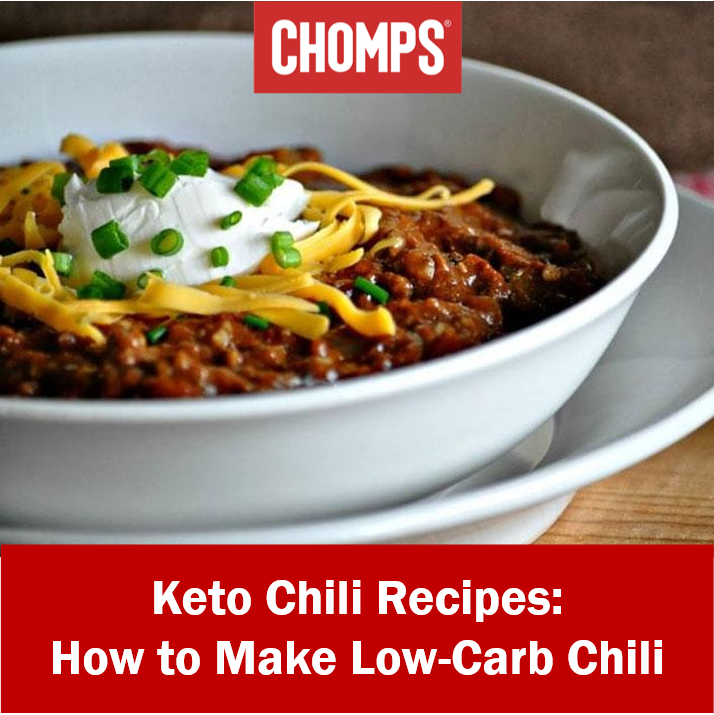
Best Keto Chili Recipes - How to Make Low-Carb Chili
Are you looking for the best keto chili recipes? Do you follow a low-carb diet and are unsure of the best way to prepare chili that is nutrient-dense, low in carbs, and high in flavor? Then this post is for you! We have compiled the 12 best keto chili recipes that are perfect for a keto-friendly meal! Is Chili Low-Carb? When prepared properly, chili is a fantastic low-carb meal option! To ensure your chili is low in net carbohydrates, you'll want to compile a combination of protein, like ground beef, ground pork, or bacon, canned tomatoes, vegetables, and spices. Beans and noodles, ingredients often found in traditional chili recipes, are high in carbohydrates and do not fit into a low-carb diet. While you may have grown up enjoying chili with these high-carb ingredients, the 12 low-carb chili recipes that you'll find in this list will be reminiscent of the meal you ate as a kid. We're sure you will feel satisfied after eating a bowl and will remain happily in a state of ketosis! How to Cook Keto Chili There is a myriad of ways to effectively cook keto chili! Some recipes in this list require a little more attention, usually on the stovetop, while others are more along the lines of "set it and forget it", which are the recipes that are typically cooked in a slow cooker or Instant Pot. Regardless of the cooking method, we suggest following these recipes exactly as written to ensure a successful chili! How Long Will Keto Chili Last in the Fridge? It's best to consume pre-prepared keto chili within a short time-frame so it stays fresh and flavorful. In general, it is suggested to refrigerate your chili in an airtight container and consume within 3-4 days, unless otherwise noted in the individual recipe. Enjoy These Easy Keto Chili Recipes Each of these keto chili recipes are full of vibrant, spiced flavors that are nutrient-dense and will keep you satiated and energized for hours to come! Take a look at each of them and let us know which ones you try out! — 1. Easy Keto Chili This hearty keto chili is so delicious and warming! You can make it with ground beef, or substitute the beef for ground turkey. Top each bowl with your favorite low-carb chili garnishes (like sour cream, diced onions, and shredded cheddar cheese), and you'll be set to enjoy one of your new favorite meals. We especially love that this recipe can be prepared, cooked, and is ready to serve in only 40 minutes! Per serving: 214 calories, 11g fat, 1g net carbs, 23g protein Get the recipe from Eating on a Dime. — 2. Beef and Mushroom Low-Carb Chili This low-carb chili recipe is so flavorful and delicious! Prepared with ground beef, vegetables, and lots of spices, we're sure you'll love this for a weeknight dinner meal. It's simple to make and requires only 40 minutes of your attention in the kitchen. If you're looking for a recipe to make ahead of time and eat throughout the week, this is a great option. It stores well in the refrigerator and, when you're ready to enjoy, simply reheat a bowl of it and dig in! Per serving: 336 calories, 13.3g fat, 11.2g net carbs Get the recipe from Glue Sticks and Gumdrops. — 3. Texas-Style Low-Carb Chili There's bacon in this chili recipe, so you know it's going to be good, right?! Seasoned with all of your favorite chili spices with an added boost of nutrient-density from fresh zucchini, this chili recipe is a winner! One serving is high in protein and low in net carbs, so it's a fantastic keto dinner option. This is a stovetop recipe and, from start to finish, you'll have dinner on the table in under an hour. Plus, the recipe is made with families in mind and, if you follow the recipe exactly, it will yield 16 servings, so everyone can enjoy a bowl and you'll have enough for leftovers to eat later. We love how efficient this recipe is in minimal kitchen time with plenty of food leftover! Per serving: 369 calories, 30g fat, 3g net carbs, 18g protein Get the recipe from Saladmaster. — 4. Easy Low-Carb Keto Chili Are you looking for the best low-carb chili recipe? This may just be the one! Using ingredients like crushed red tomatoes, garlic, onion, and ground beef, this spicy chili is a perfect addition to your weekly meal prep menu! Garnish with some fresh cilantro, jalapeños, and onions; this flavorful chili is a total winner! Per serving: 250 calories, 13g fat, 13g net carbs, 20g protein Get the recipe from Inside Bru Crew Life. — 5. Slow Cooker Kickin' Chili Do you prefer to cook using your slow cooker? If so, you're going to want to bookmark this one. Made in a slow cooker (also commonly referred to as a "crockpot"), this recipe cooks low and slow to ensure all of the flavors are bursting in each bite. Like many slow cooker recipes, the instructions for this chili are quite "hands-off", and won't require much of your attention. Just turn on the slow cooker and let it do its magic! While it may take upwards of 6-8 hours for it to cook, the end result is well worth it. Per serving: 137 calories, 5g fat, 4.7g net carbs, 16g protein Get the recipe from Peace, Love and Low Carb. — 6. Tomatillo Chili (Pressure Cooker) Do you love your pressure cooker? If so, you are going to love this recipe! If you don't have a pressure cooker, an Instant Pot, a popular brand of pressure cookers, is a handy kitchen appliance that makes for quick and easy cooking. For this particular recipe, the flavors are bright and spicy, leading to a mouthwatering bite. If you top each bowl with a dollop of sour cream and cheddar, we know you'll love it! For one serving of this instant pot chili recipe, you'll notice the net carbs are quite low, while the fat and protein content is a perfect ratio. This means that you can happily eat a bowl and remain satiated and energized for hours to come. Per serving: 325 calories, 23g fat, 5g net carbs, 20g protein Get the recipe from Ketogasm. — 7. Keto Steak and Sausage Chili This chili is jam-packed with flavorful protein, which truly sets it apart from other chili recipes. In this low-carb chili, you'll find both steak AND sausage. Each of these meats creates a delicious texture and flavor profile and, with the added components of tasty vegetables, it is a perfectly wholesome meal to serve the family. There are only 5 grams of net carbs per serving in this recipe and a whopping 50 grams of protein! If you love steak and sausage, this is the keto chili recipe for you! Per serving: 441 calories, 24g fat, 5g net carbs, 50g protein Get the recipe from Sweet C's. — 8. Keto Chili (Slow Cooker or Instant Pot) Do you follow a Whole30 and low-carb diet? If so, this chili is perfect for your menu! Made without soy, dairy, added sweetener, or grains, this recipe is also paleo-compliant and totally keto-friendly! Even better? Each serving has minimal net carb content and provides a healthy dose of fat and protein. Unsure of what to garnish your dairy-free chili with? Since sour cream and cheddar cheese are off the table, how about coconut yogurt? It provides a tangy, fresh bite and will make your Whole30 chili creamy and delicious. And the best part? You can whip this dish up in just one hour and have leftovers that will last you through the week! Per serving: 326 calories, 19g fat, 4g net carbs, 31g protein Get the recipe from Real Simple Good. — 9. Easy Chorizo Skillet Chili If you're a lover of chorizo, this low-carb chili recipe with chorizo is the best one out there! If you've never tried chorizo before, we're sure you'll love it, too. Chorizo is pork sausage that is seasoned perfectly and will add a wonderful flavor component to a hearty bowl of chili. In this particular recipe, you have the option to either make your own homemade chorizo or use store-bought chorizo, but we think that everything homemade tastes just a little bit better, don't you? With only 8 grams of net carbs per serving, which all stem from healthy, nutrient-dense sources, this chorizo chili is a total winner! Per serving: 335 calories, 22g fat, 8g net carbs, 24g protein Get the recipe from Low Carb Maven. — 10. 10-Minute "No Chop" Chili Do you only have minimal time to cook on weeknights? This is the keto chili recipe for you! Ready in just 10 minutes, this yummy chili recipe takes out all of the prep work, yet still leaves you with a rich and satisfying meal. Containing less than 10 ingredients for the whole recipe, you can quickly make this tasty dish and eat a bowl (or two!) for dinner because it only contains 2 grams of net carbs per serving. How great is that? Per serving: 229 calories, 9g fat, 2g net carbs, 33g protein Get the recipe from I Breathe I'm Hungry. — 11. Easy Keto Chili Without Beans What could be better than crockpot chili?! This recipe can be made right in your slow cooker or, if you prefer your Instant Pot for a quick meal, there are instructions here for that! If you simply want to use your stovetop to cook this chili, you can do that, too. No matter how you choose to cook up this yummy chili recipe, the resulting meal will be so delicious. With only 4 grams of net carbs per serving, this is a great recipe to keep on hand. Per serving: 417 calories, 25g fat, 4g net carbs, 39g protein Get the recipe from Green and Keto. — 12. Beanless Pumpkin Keto Chili Are you a pumpkin lover? No matter the season, pumpkin is always a hit and is a perfect addition to your savory dishes. This pumpkin chili combines a multitude of flavors, resulting in a delicious bite that will have everyone who eats it raving and asking for another serving. To really make the pumpkin flavor "pop", you'll find both pure pumpkin puree and pumpkin pie spice in this chili. It's a pumpkin fanatic’s dream come true! With only 6 grams of net carbs per serving and a healthy dose of both fat and protein, this pumpkin chili is a fun spin on the traditional recipe and we're sure you'll love it! Per serving: 189 calories, 9g fat, 6g net carbs, 17g protein Get the recipe from Wicked Stuffed. READ MORE
Our Blog
Paleo Friendly Carbs: What Carbs Can You Eat on Paleo
Navigate the paleo diet effortlessly and guilt-free. Our article guides you through wholesome choices that align with your Paleo lifestyle. READ MORE
Our Blog
12 Keto Italian Sausage Recipes - Low-Carb & Delicious!
Looking for delicious keto Italian sausage recipes? If so, you've come to the right place! These 12 recipes are full of flavor and low in carbs. READ MORE
Our Blog
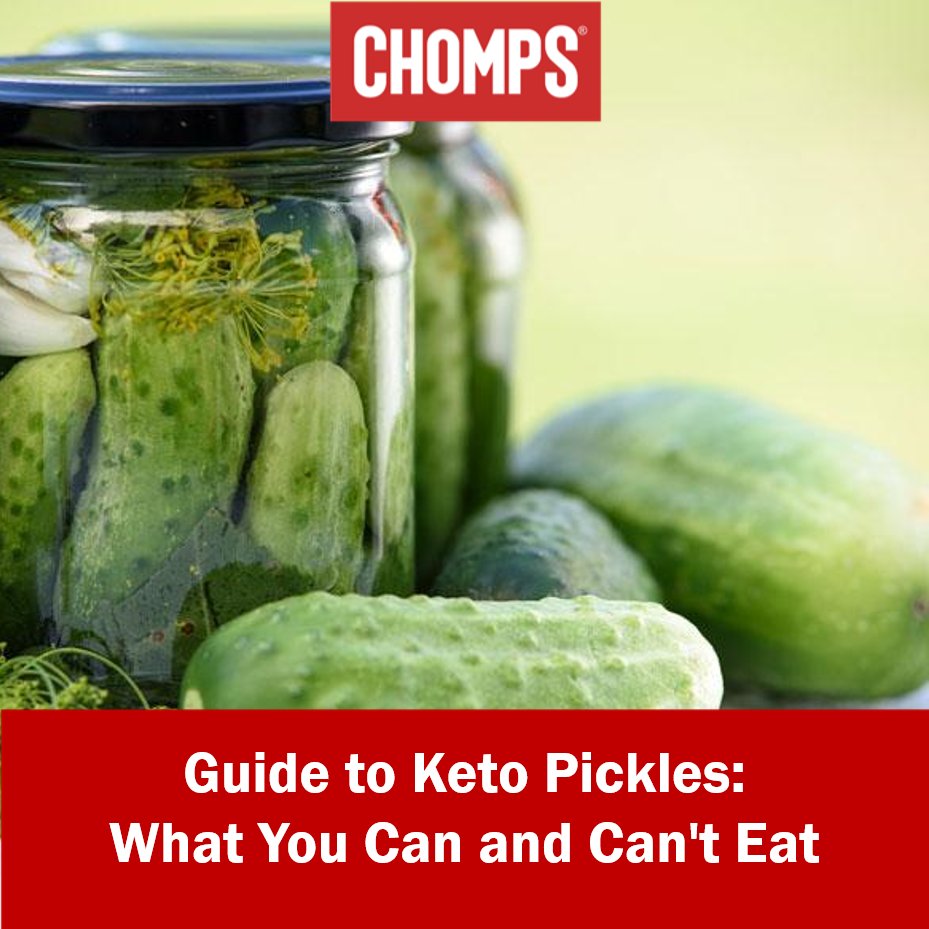
Guide to Keto Pickles: What You Can and Can't Eat
Can you eat pickles on keto? Find how to buy (or make) pickles that are low-carb and ketogenic-friendly in this guide. READ MORE
Our Blog
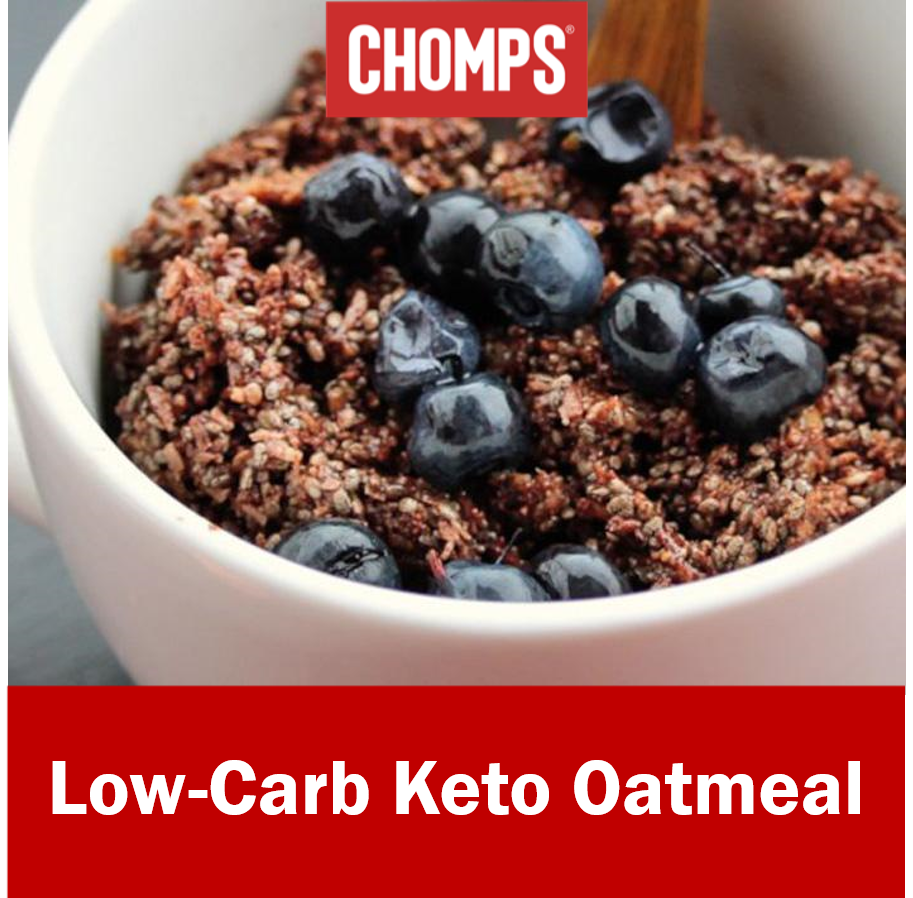
Keto Oatmeal: 10 Satisfying Low-Carb "Noatmeal" Recipes
We all know the importance of incorporating a healthy breakfast into our morning routine, but it can be challenging to find the time to prepare anything before our busy work days begin. Not to mention that most quick-and-easy breakfast recipes are incredibly high in carbohydrate content, something that won’t work for those who follow a low-carb diet. Need a structured meal plan to get started on the keto diet? Explore our 7-day keto menu for beginners to help you stay on track. So, if you follow a low-carb diet and need some insight into what you should be including in your weekly meal plan, you’re going to want to take a look at these noatmeal recipes! But, before we get to the recipes, we have to ask: What Is Noatmeal? A breakfast dish that is inspired by traditional oatmeal, noatmeal is a delicious and keto-friendly option that is low in carbs and full of flavor! Recently, noatmeal recipes have been gaining in popularity, which is unsurprising as this delicious breakfast meal contains minimal net carbohydrates, is simple to prepare and is a great on-the-go choice for busy weekday mornings. And, the best part about noatmeal? It’s a totally customizable dish that can be made and garnished based on your personal taste and diet preferences. Ingredients for Low-Carb Oatmeal If you follow a ketogenic diet and are unfamiliar with noatmeal, the most important thing to know about this dish, like other low-carb recipes, is that the exact ingredients chosen matter. Why? Because quick oats, steel-cut oats, old fashioned oats, and instant oats all contain high carbohydrate contents, thereby not making them a good option for those who follow a keto diet. Nuts, seeds, and spices, on the other hand, are low in net carbs and, instead of traditional oats, are used in noatmeal to keep the carb content low. To further ensure the carb content is kept to a minimal level, the type of sweetener used in noatmeal is important, as items such as honey and maple syrup will skyrocket the carb content. To sweeten noatmeal, low-carb sweeteners such as stevia and monk fruit are great options. Or, if you prefer to stay away from added sweeteners, topping your noatmeal with fresh berries, a low-carb fruit, will add sweetness and texture to your dish! In its most basic form, noatmeal is made with high-fiber nuts and seeds, such as hemp seeds, chia seeds, flax seeds, and slivered almonds, and other filling and nutrient-dense ingredients, like shredded coconut and collagen peptides. For added flavor, you can even add low-carb sweetener and spices, such as cinnamon. Similar to traditional oatmeal, various liquids can be used during the cooking process, but the preferred varieties are almond milk, cream, or water, as these all contain little to no carbs. Keto-Friendly Oatmeal in No Time! One of the major benefits of having these noatmeal recipes readily on-hand and available to you is that they can be made in minimal time and the resulting dishes are extremely filling! Gone are the days that you eat breakfast and are left feeling groggy and hungry a short while later! The noatmeal recipes included in this list all contain a significant amount of fiber, which our bodies digest slowly, thereby keeping us fuller longer and won’t instantly skyrocket our blood sugar levels. Whether you are looking for a straightforward noatmeal recipe or craving something with a variety of flavors, you’re sure to find what you’re looking for by checking out the low carb oatmeal recipes included in this list! — 1. My Favorite Noatmeal (aka Low Carb Oatmeal) If you are interested in playing around with and adding a variety of different flavors to your noatmeal, then this is the recipe for you! In this recipe, you’ll find the exact instructions to many different flavor options including, but not limited to, maple walnut, almond joy, and even piña colada! How fun is that?! With multiple variations of ingredients to include, this low-carb oatmeal option can be made in so many delicious ways, can be whipped up in only five minutes, and is sure to keep you full and focused for hours to come! Per serving: 334 calories, 29g fat, 2g net carbs, 15g protein Get the recipe from Healthy Sweet Eats. — 2. Keto Oatmeal (“Noatmeal”) – Oat-Free With the amount of flavor jam-packed into every bite of this keto noatmeal, you’d never guess that the main ingredient in this recipe is cauliflower! Yes, you read that right, cauliflower! Sweetened in all the right ways, the resulting dish tastes just like traditional oatmeal without the exceedingly high carbohydrate content. This noatmeal is prepared with canned coconut milk, a pantry-staple for many people who follow a ketogenic diet and is sweetened with liquid stevia and fresh raspberries. As an added boost, this noatmeal contains collagen peptides, a protein-packed superfood that supports healthy skin, bones, and joints. The addition of collagen peptides in this recipe won’t alter the flavor, but will add essential proteins into the dish! You can’t go wrong with that! Per serving: 380 calories, 30g fat, 6g net carbs, 16g protein Get the recipe from Bulletproof Blog. — 3. Easy 5 Minute Keto Noatmeal In this quick and easy noatmeal recipe, you won’t find any extra added "frills". Made with minimal and wholesome ingredients, you will love this particular recipe if you just want to stick to the basics and have a hearty, warming, and delicious low-carb breakfast to start your day off on the right foot! As an option, this recipe can be altered to be even more diet-friendly as you can make this dish vegetarian- and vegan-compliant by substituting the butter with coconut oil. This substitution from butter to coconut oil eliminates any sourcing from an animal, yet won’t hinder the flavor or carb content in any way. Per serving: 274.1 calories, 21.5g fat, 4.6 net carbs, 5.4g protein Get the recipe from Low Carb Spark. — 4. Maple Flavored Low Carb Oatmeal This particular noatmeal recipe contains walnuts, pecans, and sunflower seeds, which all boost both the fiber and protein content to ensure you are energized and satiated after you finish a bowl! As an added extra flavor bonus, this low carb oatmeal uses maple flavoring, which is an ingredient that will remind you of pure maple syrup, yet doesn’t have the high carbohydrate and sugar content. Plus, you can also add fresh berries, slivered almonds, or drizzled nut butter atop your low carb oatmeal, which will add additional texture, sweetness, and healthy nutrients! Per serving: 374 calories, 34.59g fat, 3.27 net carbs, 9.25g protein Get the recipe from My PCOS Kitchen. — 5. 5-Minute Low Carb N’oats Not only does this noatmeal recipe contain a myriad of essential vitamins and minerals, but it also has an extra boost of healthy fats with the addition of vanilla-flavored MCT oil powder. If you are unfamiliar, MCT oil powder is a shelf-stable and keto-friendly ingredient that can easily be added to coffee, smoothies, and even dishes like this low carb oatmeal! "MCT" is an acronym for "medium-chain triglyceride", which is a particular type of fat that is typically derived from coconut oil. The benefits of including MCT oil in your ketogenic diet are immense, but the major advantages of incorporating it include improved cognitive function, stable energy, and long-lasting satiation. This noatmeal recipe is a fantastic option for days you need a quick and easy breakfast and are prepared for a busy day to come. Just one bowl will keep you full and focused for hours! Per serving: 584 calories, 44g fat, 1g net carbs, 31g protein Get the recipe from Perfect Keto. — 6. Noatmeal (Oat-Free "Oatmeal") In this recipe, you’ll find simple ingredients that are bursting with delicious flavors! The addition of cocoa powder and peanut butter to this noatmeal takes the resulting dish to an entirely new level and, as an extra boost of sweetness, you can top your bowl of noatmeal with ripe, fresh blueberries! Looking to lower the carbohydrate content here? Try substituting the maple syrup with monk fruit-sweetened maple-flavored syrup, or altogether eliminate the syrup and allow the blueberries alone to sweeten the dish! You could even add a pinch of stevia or a teaspoon of granulated monk fruit sweetener if you’re craving a breakfast oatmeal dish like you grew up eating! Per serving: 428 calories, 30.9g fat, 19.8g net carbs, 10.5g protein Get the recipe from All Recipes. — 7. Hot Cinnamon Ricotta Noatmeal After taking a bite of this low carb oatmeal, you’d never know the creaminess is the result of ricotta cheese! Including ricotta in this dish makes the oatmeal filling while not increasing the carb content. The key to limiting the carbohydrates in the final product is to purchase high-quality ricotta cheese that is minimally processed and sourced locally; this type of ricotta cheese contains a lesser amount of carbs than its generic counterpart. This Hot Cinnamon Ricotta Noatmeal is a delicious and filling breakfast meal that can be whipped together in under five minutes and only contains four ingredients that you likely already have in your kitchen! It doesn’t get much better or easier than that! Per serving: 578 calories, 56g fat, 1g net carbs, 15g protein Get the recipe from Wicked Stuff. — 8. Low Carb Keto Overnight Oatmeal Just the thought of this overnight low carb oatmeal recipe has us drooling! Full of flavor, this recipe is the ultimate breakfast choice, especially for those who have limited time to whip together a filling breakfast before work. In only five minutes, you can make this keto-friendly and nut-free dish the night before and have it in the refrigerator waiting for you the next morning to grab-and-go on your way out the door! Per serving: 250 calories, 17g fat, 1g net carbs, 18g protein Get the recipe from Big Man's World. — 9. Low Carb Oatmeal Made with shredded coconut, chia seeds, and flaked almonds, this low carb oatmeal recipe has a high concentration of important vitamins and minerals, contains a healthy amount of protein, and is ultra-low in carbohydrates! At its most simple level, this recipe can be prepared in minutes, but, with a few extra seconds of time, can have its flavors taken to a whole new level by completing one simple step: toasting the coconut and almonds! Doing this will bring out a tasty, nutty component that adds an entirely new layer of taste! Per serving: 314 calories, 23g fat, 1g net carbs, 11g protein Get the recipe from Fat for Weight Loss. — 10. 5-Minute Keto Oatmeal The layers of ingredients in this keto oatmeal are bursting with flavor that will instantly take you back to the breakfasts you enjoyed as a child! Made in five minutes flat, you won’t find any complicated instructions in this recipe: just mix everything together and voilà, a delicious, wholesome, and warming breakfast that will keep you full to take on whatever your day might bring! If, however, you’re looking for some added texture and fresh flavor, try adding some blackberries, raspberries, and blueberries, all of which add to this low carb noatmeal’s antioxidant and fiber content! Per serving: 300 calories, 27g fat, 5g net carbs, 6g protein Get the recipe from Keto Summit. Craving a sweet treat? Check out our 10 delicious keto-friendly cinnamon roll recipes. READ MORE
Our Blog
What Is BMR and TDEE + How to Use Them to Lose Weight
BMR and TDEE are formulas that calculate how much energy you spend per day, allowing you to set your calorie goals much more efficiently. READ MORE
Our Blog
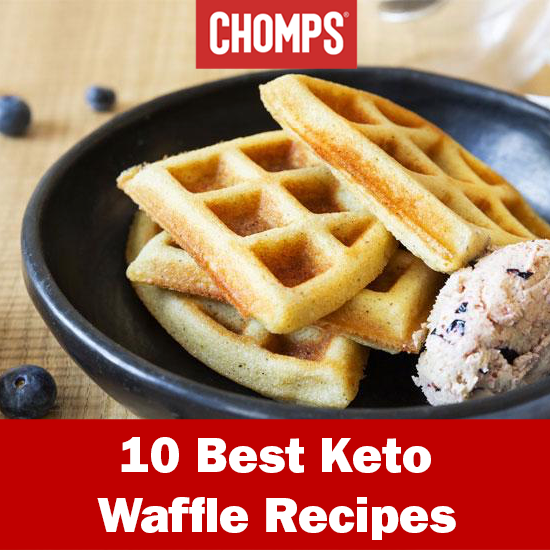
10 Best Low-Carb Keto Waffle Recipes to Start Your Day
Are you a low-carb dieter who missing your old breakfast routine? Do you want to stay in ketosis and start your day off with a delicious and nutritious meal? Do you crave meals that you grew up eating and loving? If so, you need to take a look at this list of the 10 best low-carb and keto waffle recipes! Starting the morning off with a nutrient-dense and energy-boosting meal is essential to fighting off late-night carb cravings, and what better way to enjoy breakfast than with waffles?! While traditional store-bought brands of waffles are incredibly high in carbohydrate content, the waffle recipes included in this post are all keto-friendly, won’t spike your blood sugar, and will leave you satiated and energized to start your day out on the right foot. Keto-Friendly Flour The key to low-carb waffles stems from the choice in flour. Store-bought waffle products typically contain enriched wheat flour, while low-carb and keto-friendly waffles, as you’ll see in a majority of these recipes, are made with almond flour, coconut flour, or a mixture of the two. Keto-Friendly Syrup It’s also important to consider the carb content of toppings that are usually paired with waffles, namely, syrup, which carries a whopping 14 grams of carbs per serving, 12 grams of which are pure sugar. Additionally, many store-bought brands of syrup sweeten their product with ingredients known to cause bodily inflammation like corn syrup and high fructose corn syrup, both of which should be avoided, if at all possible, when following a low-carb, ketogenic diet. So, in knowing all of that, you may be wondering what you can add as a topping on your waffles. Luckily, you have quite a few options! There are many companies that have developed low-carb syrups that are sweetened with natural sweeteners like erythritol and monk fruit sweetener, two calorie-free sweeteners that are net-carb-free and won’t lead to an instantaneous blood sugar spike. Other Keto-Friendly Toppings You can also add grass-fed butter, ghee, or coconut oil as a topping, which will serve to both add extra flavor and a boost of healthy fats. Another delicious and low-carb option is to melt some almond butter or sunflower seed butter and drizzle it atop your waffles. Yum! Convenience is Key! Waffles are simple to make and are an especially great option for those who prefer to prepare their meals in advance as they store perfectly in the refrigerator. To ensure freshness for days after making, store your pre-made waffles in an airtight container in the refrigerator and when you’re ready to eat, pop a couple into your toaster for a few minutes, and they will come out hot, crisp, and ready to devour! So, whether you want waffles that are soft on the inside and crispy on the outside, waffles that contain minimal ingredients, or waffles that come with all of the toppings, this list of the 10 best low-carb keto waffle recipes is just for you! — 1. Light ‘N Fluffy Keto Waffles If you love light and extra fluffy waffles, this recipe is about to become one of your favorites! These waffles are pillowy, delicious, and are just begging to be topped with some low-carb syrup and enjoyed alongside a cup of hot coffee. To get that pillowy, airy result, you’ll need to use xanthan gum, an ingredient common in gluten-free cooking that binds all of the ingredients together. Xanthan gum can be purchased in the baking aisle of most local grocery stores and, while only a small amount is needed in this particular recipe, it’s a great idea to have this ingredient stocked in your pantry as you’ll likely need it for your future keto baking needs. This is an especially wonderful recipe for those that are lactose intolerant or have a dairy allergy as these waffles are made entirely without any dairy-containing ingredients. If, however, you include dairy in your diet, we’d suggest a pat or two of grass-fed butter on top of these waffles to really bring all of the flavors together. Per serving: 140 calories, 11g fat, 1g net carbs, 4g protein Get the recipe from Gnom-Gnom. — 2. Sugar-Free, Grain-Free Keto Waffles At only 2.5 grams of net carbs per serving, it’s no wonder that these waffles are a favorite amongst low-carb dieters. This recipe uses less than 10 simple ingredients and, from start to finish, these waffles can be cooked and served in only 30 minutes! This recipe is a great option if you or someone in your household has a nut allergy as these waffles are made with coconut flour, rather than almond flour, making them a safe option for those allergic to tree nuts. Make these waffles in advance and, when you’re ready to eat them, top them with cream cheese and berries and you’ll be sure to have a breakfast that will satisfy your every breakfast craving! Per serving: 280 calories, 26g fat, 2.5g net carbs, 7g protein Get the recipe from Ditch the Carbs. — 3. Keto Paleo Almond Flour Waffles If you follow a combination of a ketogenic and paleo diet, you’re going to want to keep this waffle recipe on-hand. Made with almond flour, almond butter, and other simple, nutrient-dense ingredients, these waffles will satisfy all of your cravings for a sweet and hearty morning meal. This recipe, in particular, results in waffles that are crispy on the outside, soft on the inside, and just one waffle is enough to keep you satiated for hours. The key to the texture of the waffles in this recipe? Preparing the egg whites properly and carefully adding the remaining ingredients. With proper execution, this recipe yields waffles exactly like the ones you grew up eating. Per serving: 401 calories, 37g fat, 4g net carbs, 13g protein Get the recipe from Wholesome Yum. — 4. Low Carb Almond Flour Waffles Ready in only ten minutes, these waffles are incredibly quick to make and taste so delicious! Topped with homemade whipped cream and fresh blueberries, these waffles are the ultimate breakfast choice for those who don’t want any added fuss when it comes to cooking. If you are someone who doesn’t love spending time making food in the kitchen, you’ll want to stick to this recipe as the recipe post clearly lays out every instruction for the step-by-step process. If followed correctly, the resulting waffles will be absolutely delicious and ready to enjoy in almost no time at all. Per serving: 237 calories, 23g fat, 3g net carbs, 5g protein Get the recipe from Low Carb Yum. — 5. Peanut Butter Keto Waffles No almond flour or coconut flour in your pantry right now? No problem. These Peanut butter Keto Waffles are made without any grain-free flours and, instead, use peanut butter as a binding agent! How cool (and delicious) is that?! This is a very simple recipe to make and requires only ten minutes of time in the kitchen, so it’s a perfect option for busy mornings when you’re short on time, but want something delicious to eat to power you through your day. Per serving: 481 calories, 43g fat, 7g net carbs, 18g protein Get the recipe from Headbanger's Kitchen. — 6. Keto Waffles with Ice Cream Ice cream on top of your waffles? YES, PLEASE! These Keto Waffles are utterly delectable and will leave you feeling like you had dessert for breakfast, yet you will have only consumed minimal carbs and won’t be left fighting a sugar crash. The best part? This recipe requires less than ten total ingredients and can be made in under thirty minutes! This recipe utilizes almond flour, a grain-free, gluten-free, and keto-friendly alternative to wheat flour that, when prepared correctly, results in baked goods that taste just like their high-carb counterparts. Almond flour is a staple in low-carb cooking and is highly recommended for those who follow a ketogenic diet and enjoy eating bakery items and desserts. Per serving: 340 calories, 31g fat, 8g net carbs, 10g protein Get the recipe from Fat for Weight Loss. — 7. Crispy Sweet Cinnamon Keto Waffles Sticking to this recipe exactly as it’s written will yield waffles so delicious, you’d never know how low in carbs they really are. With an added boost of spice, the cinnamon in this recipe elevates the flavor in these waffles tenfold! Whip up a batch over the weekend, store them in the refrigerator, and enjoy one (or two!) before your busy workday; your taste buds will be glad you did. Per serving: 331 calories, 29g fat, 4g net carbs, 11g protein Get the recipe from The Kitchen Magpie. — 8. Keto Waffles with Blueberry Butter A delicious waffle topping you’ve likely never tried before but NEED in your life?! Blueberry butter! These waffles and accompanying blueberry butter are what keto waffle dreams are made of! The waffles in this recipe are soft, yet crisp, and, with blueberry butter on top, your cravings for something warming and sweet are sure to be satisfied! With minimal simple ingredients, you’re definitely going to want to make these waffles a weekend breakfast staple. This recipe can even be made completely dairy-free by replacing the butter with coconut oil; a simple swap that will make this recipe even more diet- and allergy-friendly! Per serving: 575 calories, 56g fat, 3g net carbs, 14g protein Get the recipe from Diet Doctor. — 9. Keto Waffles Stuffed with Cream Cheese Would you believe that these keto waffles use mayonnaise as an ingredient?! The addition of mayo creates a soft, pillowy texture that will leave your mouth watering and your taste buds thanking you. This recipe is especially amazing because it requires only five ingredients that you likely already have lying around your kitchen right now. Make up a batch of these waffles today, top them with your favorite garnishes, and enjoy! Per serving: 201 calories, 19g fat, 1g net carbs, 6g protein Get the recipe from Ketogasm. — 10. Fluffy Keto Waffles If you need a waffle recipe that will satisfy the whole family, look no further than these Fluffy Keto Waffles! This recipe is incredibly versatile and can include your choice of low-carb sweetener, milk (dairy-free or otherwise), and will yield waffles that are soft on the inside, crisp on the outside, and so, so delicious. As an added bonus, these waffles include maple extract, which, when paired with a keto-friendly maple syrup, will result in waffles that are bursting with sweet maple flavor. Per serving: 150 calories, 13g fat, 2g net carbs, 6g protein Get the recipe from Perfect Keto. READ MORE
Our Blog
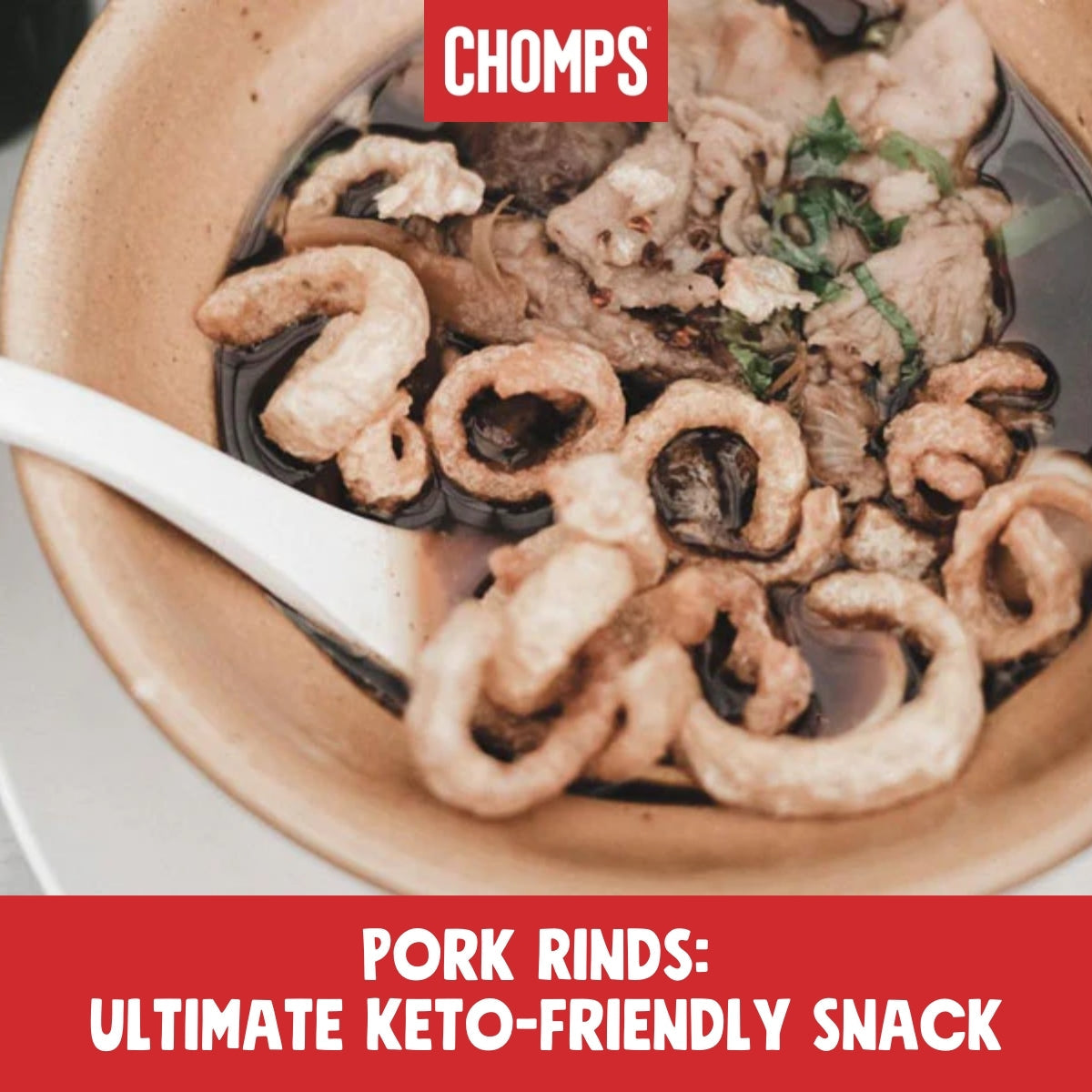
Pork Rinds: The Ultimate Keto-Friendly Snack
Pork rinds are a keto-friendly snack with a perfect macronutrient ratio. We run through pork rinds nutrition facts and popular pork rind recipes to try! READ MORE
Our Blog
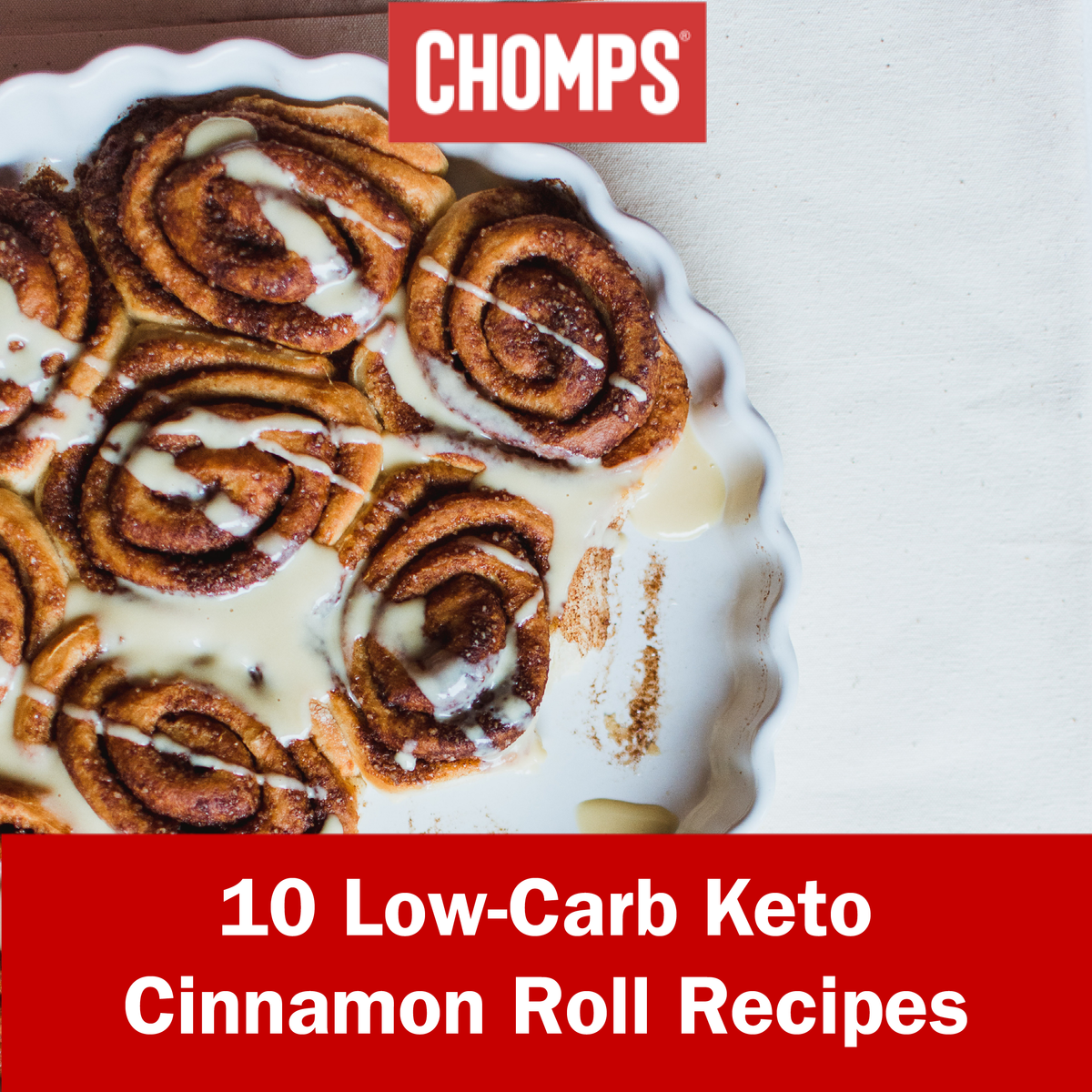
10 Ultra Delicious Low-Carb Keto Cinnamon Roll Recipes
Following a low-carb, ketogenic diet does NOT have to mean sweets are off-limits, and it especially does not mean you have to go without your favorite breakfast baked good... cinnamon rolls! Considering the number of ingredient substitutes available to us nowadays, virtually all of your favorite treats can be re-made with a decreased carb content, without sacrificing any flavor. Luckily for all of you breakfast lovers, keto cinnamon rolls can be whipped together in your kitchen and enjoyed throughout the week, all while you steadily remain in ketosis. To make low-carb cinnamon rolls, the ingredients used are of great importance, so choose carefully. Flour Substitutes Since white flour, the flour traditionally used to make cinnamon rolls contains an incredibly high content of carbohydrates, you will need to use a low-carb flour, such as almond flour, coconut flour, or even a mixture of the two. Doing so will ensure the carb content in each serving of cinnamon rolls is kept to an absolute minimum, as the other ingredients used will also contain some additional carbohydrates. Sugar Substitutes In these recipes, you'll also find that keto-friendly sweeteners are used, such as stevia, erythritol, or monk fruit sweetener. Each of these sweeteners contain 0 grams of net carbs, thereby making them fantastic pantry-staple items that will come in handy when you're craving a sweet treat. While some of these low-carb sweeteners can be challenging to come by in local grocery stores, we have found that as the ketogenic diet becomes more and more popular, many stores have begun to carry these products on their shelves. If, however, you are having trouble locating a keto-friendly sweetener in your neighborhood grocery store, we would suggest searching online for it to be delivered directly to your doorstep. Fathead Dough Interestingly enough, in many keto cinnamon roll recipes, you'll find an ingredient that may surprise you: mozzarella cheese! Yes, you read that right. While you may be wondering whether the addition of mozzarella will affect the taste of the cinnamon rolls, we can assure you that this ingredient solely serves to act as a "glue" to hold all of the ingredients together and will not alter the final flavor. Sometimes referred to as "fathead dough", the addition of mozzarella cheese in keto breads and rolls creates a rather remarkable resulting baked good. Be Sure to Follow the Recipes! Most important to successfully baking up a batch of keto cinnamon rolls is to follow the recipes exactly as written, as the making and rolling of the dough can sometimes be somewhat challenging. Particularly when it comes to mozzarella cheese, we recommend sticking to the exact recipe as there is not likely a viable ingredient substitution since, without this melty cheese, the dough will be dry and will not hold together before or after baking. Don't let this deter you though... with proper preparation and follow-through, you’ll have baked low-carb cinnamon rolls on the table in no time. Whip up a batch of cinnamon rolls this weekend and let us know how it goes! — 1. Keto Cinnamon Buns This recipe features straightforward ingredients that you likely already have in your kitchen! From start to finish, you'll have these keto cinnamon buns prepared, baked, and ready to serve in under an hour! If you plan to bake these for guests, we suggest doubling (or even tripling) the recipe to ensure there are enough cinnamon buns to go around. These cinnamon rolls are so delectable that your guests will likely be reaching for a second helping! Per serving: 300 calories, 27g fat, 14g net carbs, 15g protein Get the recipe from Dr. Berg. — 2. Keto Cinnamon Rolls with Stevia and Erythritol Made with a blend of stevia and erythritol, these keto cinnamon rolls are mouth-wateringly delicious! One of our favorite parts of this recipe, in particular, is how low in net carbs each cinnamon roll is, which makes it all the more possible to enjoy a second helping with a second cup of morning coffee. Yum! Even better? This recipe calls for MCT oil, a keto-friendly oil that is full of healthy fats and a perfect addition to your ketogenic diet. If you've never used MCT oil before, it's suggested that you start with only a small amount, as this recipe calls for. Otherwise, consumption of larger amounts can lead to stomach discomfort Per serving: 159 calories, 14g fat, 3g net carbs, 6g protein Get the recipe from Steviva. — 3. Ooey Gooey Keto Cinnamon Rolls We can't think of a better way to describe cinnamon rolls than "ooey gooey"! Exactly like the traditional cinnamon rolls you grew up eating, this recipe yields a baked good so delicious that you're sure to be craving them from the moment you pop a batch into the oven. The base cinnamon roll recipe yields a deliciously sweet baked good that doesn't require frosting, but hey, it can't hurt to drizzle some on top anyway. Per serving: 204 calories, 15.4g fat, 4.3g net carbs, 12.6g protein Get the recipe from Ketocracy. — 4. Keto Cinnamon Rolls with Creamy Frosting What's the best part about cinnamon rolls? The frosting, of course! This recipe features a delectable, creamy icing that is made with simple, straightforward ingredients. We love to whip up a double batch of both the cinnamon rolls and the frosting and enjoy one each day throughout the week, as these store quite well in the refrigerator (just be sure to keep them in an airtight container). To make things even better, between the preparation of the cinnamon rolls and the frosting, you'll have breakfast on the table for the family to enjoy in under 30 minutes. Sounds like an ideal morning to us. Per serving: 307 calories, 25g fat, 4g net carbs, 16g protein Get the recipe from Fat for Weight Loss. — 5. Keto Cinnamon Rolls with Almond Flour Made with ingredients such as extra-fine almond flour, mozzarella cheese, and keto-friendly sweetener, this recipe for keto cinnamon rolls is straightforward, easy to make, and so, so delicious! Our preferred way to serve these tasty cinnamon rolls? Shortly after they're baked with frosting drizzled on top! The flavor profile of the greek yogurt in the frosting is game-changing and we know you'll love it. Per serving: 94 calories, 7.2g fat, 2.1g net carbs, 6.2g protein Get the recipe from Sugar Free Londoner. — 6. Cinnamon Roll Fat Bombs How fun is this recipe?! Rather than a baked cinnamon roll, these cinnamon rolls come in the form of a fat bomb! A fat bomb is a bite-sized, high-fat, and low-carb treat that is perfect for those who follow a ketogenic diet. This recipe is keto-friendly and can be made nut-free by substituting almond butter for sunflower seed butter, a nut-free option that tastes similar to peanut butter or almond butter, and is able to be substituted in for their nut-containing counterparts at a 1:1 ratio. Sunflower seed butter is a great product to have in your pantry for keto dessert recipes as it is low in net carbs, nutrient-dense, and full of healthy fats. Whip up a batch of these fat bombs, store them in your refrigerator, and enjoy one mid-afternoon for an extra boost of energy and to satisfy your sweet tooth! Per serving: 103 calories, 10.3g fat, 1.4g net carbs, 2g protein Get the recipe from Real Balanced. — 7. Keto Cinnamon Rolls - Coconut Flour Flathead Dough These cinnamon rolls are made using nut-free coconut flour, which makes them a fantastic option for those who follow a ketogenic diet and have a nut allergy or nut intolerance. In addition to coconut flour, you'll find ingredients like low-carb sweetener, mozzarella cheese, and cream cheese. Every bite of these keto cinnamon rolls is full of rich, sweet flavor and we're certain you’ll love them! We especially love how low the net carbs are in each serving of this recipe, which allows us to eat one for breakfast and have it fit perfectly into a traditional macro breakdown for a ketogenic diet. Per serving: 209 calories, 17g fat, 4g net carbs, 7g protein Get the recipe from Low Carb Yum. — 8. Almond-Flour Keto Low Carb Cinnamon Rolls The frosting on these keto cinnamon rolls is absolutely life-changing! Sweet, smooth, and the perfect topping on these low carb cinnamon rolls, this frosted baked good is sure to be a family favorite! This recipe, in particular, is great to have on-hand if you are hosting someone who has an almond allergy as these cinnamon rolls are, instead, made with coconut flour. Per serving: 232 calories, 19g fat, 6g net carbs, 7g protein Get the recipe from Sugar-Free Mom. — 9. Sugar Free Low Carb Keto Dairy-Free Cinnamon Rolls Have you been searching high and low for a keto cinnamon roll recipe that is free from dairy products? If so, this is the recipe for you! While a majority of keto cinnamon roll recipes contain a variety of dairy-based ingredients, this recipe is the exception and we are so happy to have found it. If you bake for someone who is dairy-free or lactose intolerant, be sure to reference this recipe the next time you're craving a sweet breakfast treat!With dairy-free substitution ingredients included right in the post, making this recipe doesn't get much easier. To top it all off, not only are these cinnamon rolls frosted, but they're also served with cinnamon butter! We promise these are a "must-have" during the holiday baking season. Per serving: 380 calories, 17g fat, 16g net carbs, 8g protein Get the recipe from My PCOS Kitchen. — 10. Fathead Keto Cinnamon Rolls – Quick & Easy This recipe is sure to surprise you: unlike a majority of other keto cinnamon rolls, the primary ingredient in this recipe is unexpected, and such a fun variation of our favorite breakfast baked good. These keto cinnamon rolls are made with macadamia nuts, a nut that is low in carbs, high in healthy fats, and full of nutty, delicious flavor. Loaded with monounsaturated fatty acids, vitamin B6, copper, iron, and magnesium, macadamia nuts are a keto superfood! If you’ve never tried them before, and, especially if you’ve never baked with them before, we highly recommend picking some up during your next grocery shopping trip so you are able to make this recipe. Baked to golden perfection, these keto cinnamon rolls made with fathead dough are what keto dreams are made of. We suggest making a batch of these up, serving them fresh with frosting on top, alongside a hot cup of coffee. It's our personal favorite way to start the morning off! Per serving: 321 calories, 23g fat, 1g net carbs, 11g protein Get the recipe from Wholesome Yum. READ MORE
Our Blog
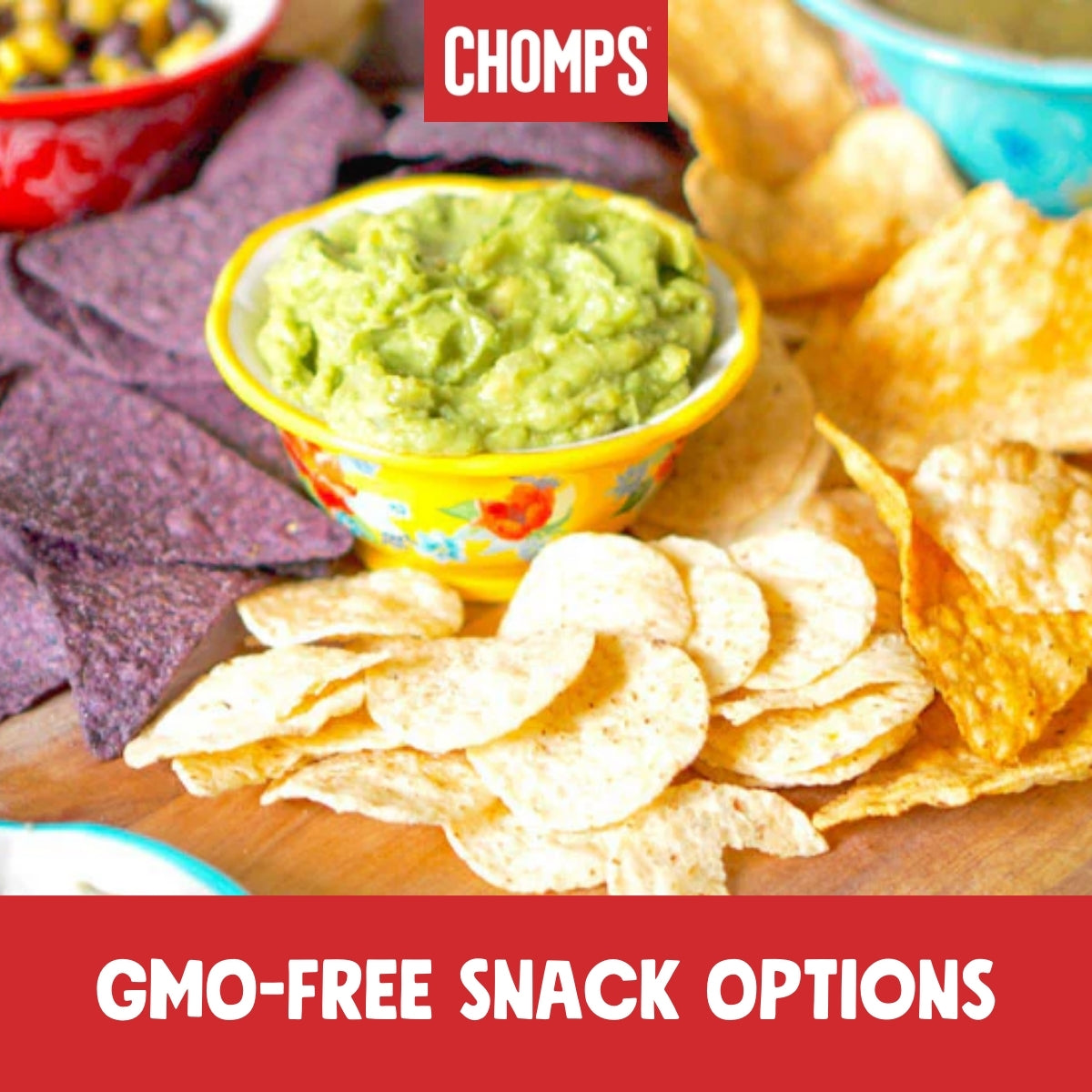
Non-GMO Chips: 10 Delicious, GMO-Free Snack Options
Having a party or snacking doesn't mean you have to eat preservative and GMO-filled snacks! Check out our go-to list of non-GMO chips. READ MORE
Our Blog
Are Raisins Paleo: Can You Eat Raisins on the Paleo Diet?
There are times when you’re following the paleo diet and find those foods that seem to be right on the line. It’s like... okay, I know grapes are fruits and therefore paleo, but are raisins paleo? Does the drying process screw that up at all? Can I have just a few? Should I avoid them entirely? What if I really just want a little box of them for my sweet fix at work? But wait. That’s the issue, right? Where does that sweetness come from? Well... sugar of course! And paleo and sugar don’t usually mix! We were curious too, so we did a little research on our naturally sugary friends. Here’s the deal with raisins... Can you eat raisins on the paleo diet? The general consensus is that raisins are paleo-friendly, but should be eaten in moderation due to their sugar content. Because raisins are just dehydrated or sun-dried grapes, they carry the same sugar content as a grape, but are much easier to overeat. While sugar makes up almost 72% of their weight, they usually don’t have added sugar like most other dried fruits. They also have a nice blend of vitamins and minerals including thiamin, manganese, potassium, copper, and B6. In other words, while they are generally a healthy snack, one snack binge where you just dive palm-first into a delicious box of raisins may in just a few bites may contain the sugar content you need for the whole day / load you down with some extra calories you weren’t expecting. Some people are more intolerant of carbohydrates like glucose and fructose as well, so make sure to listen to your body — especially if you’ve pretty much cut sugar from your diet. Here’s what other Paleo experts have to say on dried fruits (including raisins). Mark Sisson says: I think a few servings a week of dried fruits is not a big deal at all – fruit is a natural, fiber-rich, vitamin-loaded food source. PaleoLeap says: Fruit naturally contains a relatively small amount of sugar. When you dry it, you take out all the water, which concentrates the sugar in a much smaller package – it instantly becomes much, much easier to get a huge amount of sugar without even noticing it, while you’re supposedly eating something "healthy". How to approach dried fruits when following the Paleo diet Normally, fruits aren’t anything to be scared of on Paleo. They all contain a bit of natural sugars... some more than others (think apples), but natural sugar is still sugar. The issue with dried fruit is not in the nutrients themselves, but in the ability to consume drastically more sugar than you intended due to their decreased size. Think about a small box of raisins. In each little box there could be dozens of raisins... and you usually eat more than one, right? Now imagine eating 60+ grapes. Right!? Grapes have the water weight to prevent overeating. Raisins do not. Check out this awesome chart by PaleoLeap: That really puts things into perspective, yeah? You need to be careful with store-bought dried fruits. As we mentioned, raisins are generally okay, but other dried fruits are often culprits of additives and added sugars. Dried fruits lose a lot of their fiber content as well, so you miss out on most of the digestive positives as well. Here’s the deal: Dried fruits aren’t "bad", the same as honey or other paleo sweeteners aren’t "bad". In small amounts, they can be good for you, but be careful and watch for an increase in sweet cravings that accompany snacking on dried fruits. You don’t want to make sticking to paleo harder than it already it is! There are ways you can eat them that take advantage of their sugar content without overdoing it, too. Make your own trail mix with a low ratio of raisins to nuts. Fill it up with healthier alternatives like almonds, coconut flakes, pumpkin seeds, etc. You could make some soup or stew that uses them! There are lots of paleo beef and lamb stew recipes you could add them to or already have them in the recipe. You can use them as a salad dressing or topping. Think putting them on something with leaves, nuts, etc. And here’s an amazing broccoli bacon recipe from cookeatpaleo.com. Or if you want to get a little risky, here’s a no oatmeal raisin cookie recipe from Jay’s Baking Me Crazy. Making your own raisins is super easy You don’t have to buy your own raisins all the time. It can be fun to make homemade raisins as well and experiment with different grapes! Check out this super simple recipe from Serious Eats on how to make raisins at home! Ingredients: 3 large bunches seedless grapes, preferably mixed colors, stemmed Vegetable or canola oil, for greasing Instructions: Preheat oven to 225°F (110°C). Very lightly grease 2 rimmed baking sheets with oil, then scatter grapes all over. Bake, checking periodically for doneness, until grapes are nicely shriveled and semi-dried but still slightly plump, about 4 hours (the exact time will depend on your grapes, your oven, and your preferred degree of dryness). Let cool. Use a thin metal spatula to free any grapes that are stuck to the baking sheet. The dried grapes can be refrigerated in a sealed container for about 3 weeks. How long they keep will also depend on their degree of dryness; drier grapes will keep longer. Are raisins paleo: the final word Yes; just avoid using dried fruit as the foundation of any meal. Don’t go there looking to satiate yourself—instead, think of them as the icing on the cake. You can have a couple here and there and use them in strategic moments, but don’t make a meal out of them. If you approach dried fruit and raisins with this mindset, you won’t have any problems! See how Chomps meat sticks can be a perfect fit for your Paleo lifestyle. READ MORE
Our Blog
GMO vs Organic: Key Differences Between Food Labels
Everyone knows that the quality of the food we eat affects our health significantly. We've been taught that organic foods are better for our bodies and the environment. But with the drastic difference in price, choosing between GMO and non GMO vs organic foods may seem hard to justify. As such, it's crucial to understand the difference between non-GMO and organic food labels. More food products are being marketed as "non-GMO" and many of us may not even know the difference. Many of us are left questioning what the actual GMO meaning in food is. We also find ourselves tangled in a debate between GMO vs non GMO products. You may be wondering, aren't non-GMO foods the same thing as organic? Is there really a difference or are we just being tricked into purchasing more expensive foods because they have a label on them? This might also lead you to ponder, “wait, can organic be GMO actually?” It seems like a strange question, but it’s one that plagues the minds of many conscious consumers. In this article, we're going to talk about the benefits and differences between non-GMO and organic products as well as GMOs - specifically: What are GMOs?What are organic foods and can organic be GMO?Non-GMO vs OrganicGMO vs Organic: Analyzing food labelsWhy not all organic foods are good for you What Are GMOs? The GMO meaning in food stands for "genetically modified organisms". Genetically modified foods have certain molecules added or removed from the DNA of the food product to enhance it in some way. A gene is inserted into the organism of the food that it normally wouldn't have. These genes are usually from a virus or bacteria and it's designed to alter the way food is grown. For example, when you see abnormally large strawberries or blueberries at the food store, most of the time these are genetically modified. They are usually designed to produce larger fruit and oftentimes, sweeter fruit. This showcases the direct application of GMO vs non GMO practices in agricultural produce.GMO foods are most commonly created to provide a higher nutritional value to food and to also make it resistant to pests. Pros of GMO Foods While it may seem unnatural to alter or add organisms into food products, there are a few benefits to it: It costs less to produce GMO foods Fewer weeds invade the crop Provides a sweeter taste to fruits Provides higher nutritionally improved traits to provide health benefits for consumers[*] Cons of GMO Foods When it comes to anything unnatural, there come a few downsides: Many plants are now producing bacterial toxins leading to resistant bugs Superweeds have been discovered that resist normal herbicides Humans are consuming these harmful bacterias and toxins GMOs are a new food source to humans which causes allergic reactions to some people In rare cases, cancer is found because of the altered chemicals in food products Fortunately, more than 60 countries now require GMO labeling and 26 countries are partially banning GMOs. Should You Avoid GMOs? GMOs have been a huge topic for debate. The question of whether or not you should completely avoid them comes down to two factors: your health and the environment. GMO crops lead to an increase in the use of chemical pesticides because the crops have a higher tolerance to withstand these chemicals. This means our environment and farming communities have more exposure to these herbicides and pesticides which causes more pollution to the ocean and air. Little research has been conducted on the safety of GMOs in regards to health. While some people believe it may be harmful to consume foods that are unnatural, more studies must be conducted before making any proper claims. What Are Organic Foods? Organic products are foods free of any harmful chemicals, synthetic herbicides, pesticides, antibiotics, drug residues, and neurotoxins. They are almost always more expensive than GMO foods because they require more care to produce and they need to be certified. Pesticides must also be organically approved before use which drives the cost up even higher. In fact, organic foods can cost up to 50% higher than regular foods. So what’s better to purchase: GMO vs. organic foods? Pros of Organic Foods Here's why organic foods might be worth the monetary investment: No pesticides can be used when growing organic foods. Round-up cannot be used with organic crops. Round-up is a common herbicide used to kill off weeds. Organic crops don’t use hexane. Hexane is a neurotoxin used in common vegetable oils like soybean, canola, and corn. Organic meats don't contain any hormones. Many people express concern that meats with growth hormone can increase the chances of cardiovascular disease. Animals raised organically aren't given any antibiotics. This means the meat it produces won't contain any harmful toxins you may have consumed otherwise. Cons of Organic Foods While it may seem like a healthier alternative to adopt a strictly organic food diet, there are some downsides to it: When it comes to GMO vs organic or non GMO vs organic, organic foods are significantly more expensive. Not all food stores have a wide selection of organic foods. Going to your local farmers market rather than a grocery store may be a better option. Easily goes bad. Organic foods have a shorter shelf life compared to GMO foods so they must be consumed relatively soon after purchase Higher bacteria levels. Since there are very little to no pesticides and herbicides used on organic foods, the consumption of organic foods has been linked to an increased risk of e-Coli bacteria in the digestive system. No nutritional benefit. Research has found that there is no major nutritional benefit of organic food over other conventional means. What’s the Difference Between Non-GMO and Organic? In the GMO vs organic discussion, organic foods do not contain any pesticides, fertilizers, solvents, or additives. This helps the overall biodiversity of plants and animals which makes it much better for the environment. It also helps prevent antibacterial resistance in animals and chemical runoff when pesticides seep into the ground. When it comes to non-GMO vs organic, non-GMO has many similarities to the organic label but they aren't exactly the same. There’s a subtle difference between non GMO and organic products that really comes down to the fineprint. This label means that the ingredients in any specific food product have been verified by the Non-GMO project to ensure no genetically modified material is present. For meat, this includes the food the animals ate to ensure there are no GMOs in their bodies. This is achieved by testing every ingredient that goes into the final product. Companies and their suppliers with the non-GMO stamp of approval are inspected yearly to make sure they are compliant with Non-GMO Project standards. The slight difference with the organic label is that non-GMO prevents the use of herbicides that contain GMOs, but it does not mean it must be grown organically. They could be grown with conventional, non-organic approaches (which is why people often ask, “can organic be GMO?”) Bottom line: Organic and Non-GMO are similar in the fact that both labels go through rigorous testing to ensure genetically modified material is not present in the food or the creation of it. Which Food Label is Best: Non-GMO vs. Organic The United States Department of Agriculture (USDA) has extremely strict guidelines when it comes to what can be labeled as organic, GMO or non-GMO. The non-GMO label means the food product wasn’t made with GMO, but this GMO meaning in food doesn't qualify it as organic. Organic foods are the most heavily regulated label. Purchasing foods with the "non-GMO" or "organic" label is your safest bet when it comes to overall health and minimal toxins. Organic and non-GMO labels are highly similar. In fact, many times the only reason why certain companies don't take the extra step for the organic label is that it costs farmers hundreds of thousands of dollars just to get the certification. Whereas non-GMO is almost identical but costs much less for verification. Note: If a label says "natural" it does not mean it's organic. The natural label is not regulated in America which can be very deceiving. If you ever wonder to yourself, “can organic be GMO?”, make sure you are looking for the "organic" label. Warning: Some Organic Foods May Still Contain Harmful Chemicals If health is your main priority, the best course of action is to select unprocessed organic foods whenever possible. But, it's still equally important to check the nutrition label for any unhealthy ingredients. Some organic foods may still contain harmful ingredients including: Hidden MSG While monosodium glutamate (MSG) cannot be used on organic food, there are several other free glutamic acid compounds that organic foods may contain. Avoid buying organic foods with these ingredients: Hydrolyzed soy protein Autolyzed yeast extract Textured protein Yeast extract These chemicals are used to make food taste better but they're also considered excitotoxins. This means they're known to overstimulate your neuron receptors which can lead to headaches, skin problems, and water retention. Vegetable Oils Vegetable oils including canola oil, corn oil, soybean oil, safflower oil, and cottonseed oil are linked to increased inflammation and metabolic disease. If you see any of these vegetable oils in the ingredients list of organic foods, it’s best to look for a healthier alternative without these pro-inflammatory oils. We're Proud to Be a Snack Verified By the Non-GMO Project We know just how important it is to have food products sourced from all-natural methods. Our mission is to provide the world with the healthiest meat snacks you can find on the market. CHOMPS is non-GMO verified and we ensure that our meat comes from animals who followed sustainable, no-chemical diets. They are raised without any hormones or antibiotics. We source only 100% grass-fed and grass-finished beef. Our animals are never sent to feedlots and are never given antibiotics or hormones. Our birds are free to roam the pastures. All of our animals are fed diets that comply with the Non-GMO Project Verification regulations to ensure the entire food chain has no GMOs. Our prioritization of free-range, grass-fed sources provides you with the healthiest, non-GMO verified snack available, without having to worry about unnecessary fillers, hormones, or antibiotics. Learn more about CHOMPS all natural jerky! READ MORE
Our Blog
How Grass-Fed Beef Reduces Chronic Inflammation from Omega 3-Omega-6 Imbalances
Omega-3 and Omega-6 fatty acids are getting plenty of attention these days as research findings continue to show that the right balance between Omega-3s and Omega-6s plays a major role in health and wellness. You may notice on the two lists below that grain-fed beef is one of the top inflammatory foods while grass-fed beef is one of the top inflammation-fighting foods. So why does grass-fed beef differ so dramatically from its grain-fed counterpart? First, let's get a better understanding of these fatty acids. Top 15 Inflammatory Foods Top 15 Inflammation Fighting Foods Sugar Green leafy vegetables Vegetable oil Bok choy Fried foods Celery Refined flour Beets Yeast Broccoli Dairy Blueberries Artificial sweeteners Salmon Artificial additives Grass-fed beef Saturated and trans fats Bone broth Conventional grain-fed meats Walnuts Conventional processed meats Coconut oil Gluten from store-bought bread Chia seeds A second alcoholic drink Flaxseeds Trans fat foods Turmeric Fast foods Ginger What Are Omega-3s and Omega-6s? They are both essential, polyunsaturated fatty acids that we must get from the foods we eat because our bodies don’t produce them. Both fatty acids play key roles in the healthy functioning of our bodies, affecting such areas as cell membrane structure, energy, the functioning and development of the retina, brain, and nervous system, as well as fighting inflammation. Although both fatty acids are good for you, the trouble comes when the ratio of Omega-3s and Omega-6s gets out of balance. Our western diet of highly inflammatory foods and too few anti-inflammatory foods is causing a dangerous imbalance leading to serious health problems—coronary heart disease, asthma, cancer, autoimmunity, and neurodegenerative diseases, all of which have roots in the body’s inflammation. The French Food Safety Agency suggests that the correct ratio for Omega-6s to Omega-3s should be 5:1, representing an intake of 5 molecules of omega-6 per 1 molecule of omega-3. More Omega-3s in Grass-fed Beef Alpha-linolenic acid (ALA) is one of the three types of Omega-3 fatty acids. It is found only in plants such as nuts, seeds, and the pasture grasses cows graze on. This fact is one of the primary reasons beef from grass-fed cows is an anti-inflammatory food loaded with nutrition. For example, a 3.5 ounce serving of delicious grass-fed beef has approximately 80 milligrams of omega-3’s, double the amount in conventional grain-fed beef. In stark contrast to grass-fed cows, factory-farmed cows are fed a mixture of inflammatory ingredients including GMO grains sprayed with pesticides, same-species by-products from diseased animals, cheap candy, drugs, chemicals, and even plastics. The right balance of Omega-3's and Omega 6's plays an essential role in our overall health, protecting us from chronic, life-threatening diseases that are fueled by an excess of inflammatory foods. There is no doubt that choosing grass-fed beef over grain-fed beef will help you achieve health and wellness goals even faster. READ MORE
Our Blog
Grass-Fed Beef Omega-6 to Omega-3 Ratio Has Many Health Benefits
Typical store-bought grain-fed beef has an Omega-6 to 3 ratio of 20:1. Grass-fed beef has a ratio closer to 3:1. Learn why that matters here! READ MOREEven More for you to Chew On
NEW FLAVOR

Rated 4.4 out of 5 stars based on 27 reviews
(27)
27 reviews
Original Chicken
Choose Pack
PURCHASE OPTIONS
NEW FLAVOR

Rated 4.6 out of 5 stars based on 31 reviews
(31)
31 reviews
Nashville Hot Chicken
Choose Pack
PURCHASE OPTIONS
NEW FLAVOR

Rated 4.5 out of 5 stars based on 31 reviews
(31)
31 reviews
Savory Breakfast Chicken
Choose Pack
PURCHASE OPTIONS
Best Seller

Rated 4.9 out of 5 stars based on 2672 reviews
(2672)
2672 reviews
Original Beef
Choose Pack
PURCHASE OPTIONS
Best Seller

Rated 4.8 out of 5 stars based on 1626 reviews
(1626)
1626 reviews
Original Turkey
Choose Pack
PURCHASE OPTIONS
Best Seller

Rated 4.9 out of 5 stars based on 1621 reviews
(1621)
1621 reviews
Jalapeño Beef
Choose Pack
PURCHASE OPTIONS

Rated 4.9 out of 5 stars based on 1156 reviews
(1156)
1156 reviews
Sea Salt Beef
Choose Pack
PURCHASE OPTIONS

Rated 4.8 out of 5 stars based on 477 reviews
(477)
477 reviews
Taco Seasoned Beef
Choose Pack
PURCHASE OPTIONS